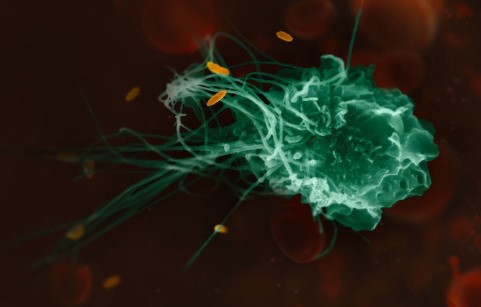
When we think about the immune system, B cells and T cells are often the focus of attention. B cells are known for producing antibodies, and T cells are celebrated for their cytotoxic capabilities. More recently, however, macrophages are being brought into the spotlight and recognized for their integral role in immune defense and the field of biologic drug development.
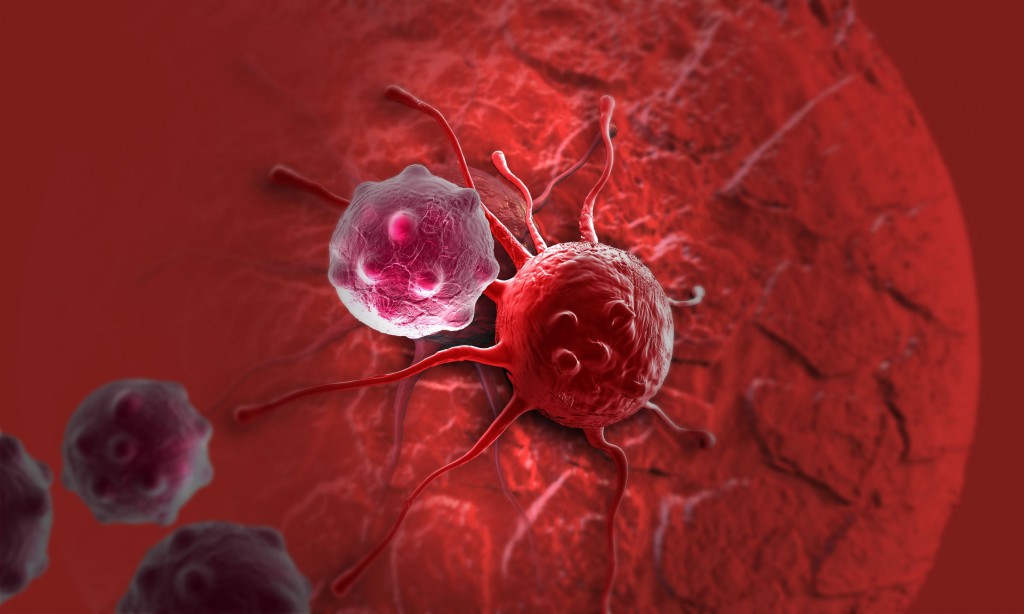
Chimeric Antigen Recepter (CAR)-T cell therapy is a personalized immunotherapy that harnesses the patient’s own immune system to combat cancer. It is done by engineering the patient’s T cells to specifically target and attack cancer cells in their body, and it has shown great success in treating various blood cancers such as leukemia.
Treating solid tumors with CAR-T cells, however, has proved much more challenging. This is mainly because solid tumors contain a heterogeneous population of cells, expressing a variety of antigens—many of which are also expressed in healthy cells. Therefore, T cells targeting solid tumors could potentially attack healthy tissue, resulting in serious side effects. In addition, solid tumors create a hostile microenvironment that is difficult for CAR-T cells to infiltrate.
Over the past few decades, the prevalence of diabetes has been on the rise. According to the WHO, 422 million people worldwide have diabetes, causing an estimated 1.5 million deaths every year. Among those with diabetes, 95% have type 2 diabetes—which is caused by the body’s resistance to insulin. It is known that risk factors for type 2 diabetes include older age, excess weight, poor diet and family history. However, the precise genetic basis of type 2 diabetes is still largely a mystery.
Dr. Mark McCarthy’s lab at the Oxford Center for Diabetes, Endocrinology and Metabolism (OCDEM) focuses on understanding the genetic causes of type 2 diabetes. Identifying which genes contribute to type 2 diabetes could provide opportunities for developing new therapeutics. Chris Grove, former lab manager in Dr. McCarthy’s lab, explained how they have approached this challenge.
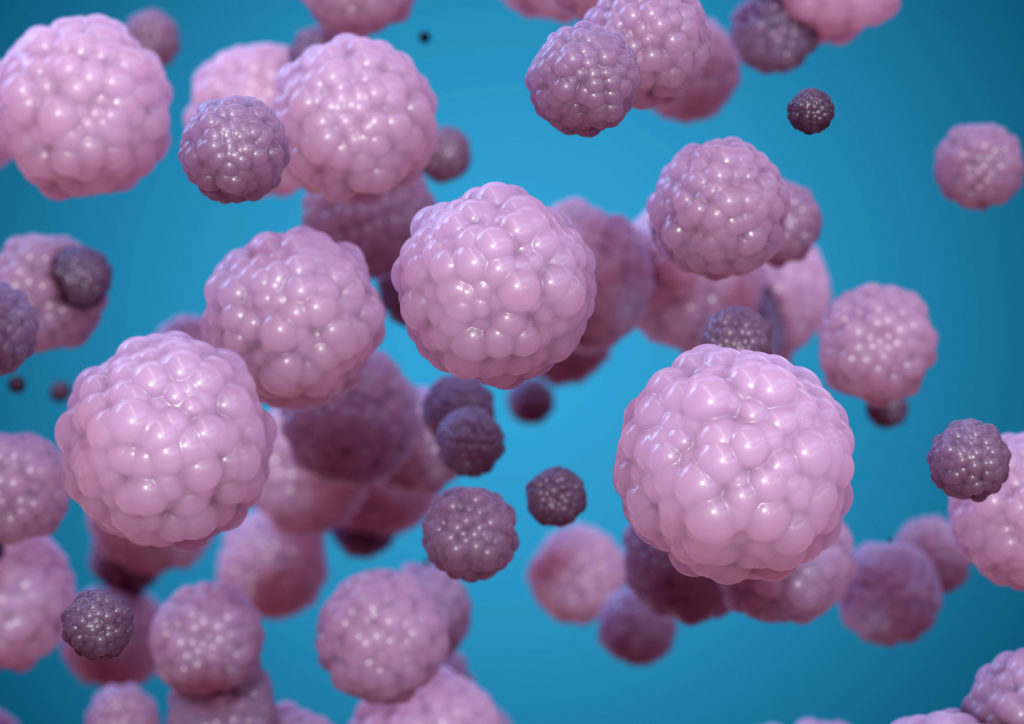
In the past decade, there has been a sharp rise in studies using spheroids as cell models for basic research and drug discovery. Spheroids are self-organized aggregation of cells that form a spherical mass, and they have become widely popular because they are much more physiologically relevant compared to flat 2D cell cultures.
In spheroids, the inner cells have less access to nutrients and oxygen compared to the outer layer, forming a natural gradient. As a result, metabolite concentration and cellular state such as proliferation and differentiation, can be very different at the periphery compared to the inner core. This phenomenon, known as “heterogeneity”, makes 3D tumor spheroids much more representative of actual tumors in the human body.
Understanding how a compound or drug affects cellular pathways often requires measuring kinetic changes over an extended period of time—from several hours to days. Live-cell kinetic cell-based assays that measure cell viability, cytotoxicity, apoptosis and other cellular pathways are great for collecting real-time data. You don’t necessarily need expensive equipment to run these types of assays. In the videos below, Dr. Sarah Mahan, a research scientist at Promega, demonstrates how you can easily get great 24-hour or multi-day kinetic data using a GloMax® Microplate Reader.
Wastewater-based epidemiology (WBE), or sewershed surveillance, is the analysis of wastewater to identify the presence of biologicals or chemicals for the purpose of monitoring public health. In the past, WBE has been used to detect the presence of pharmaceutical or industrial waste, drugs and viruses. Now, it is seen as a valuable tool to monitor COVID-19 outbreaks.
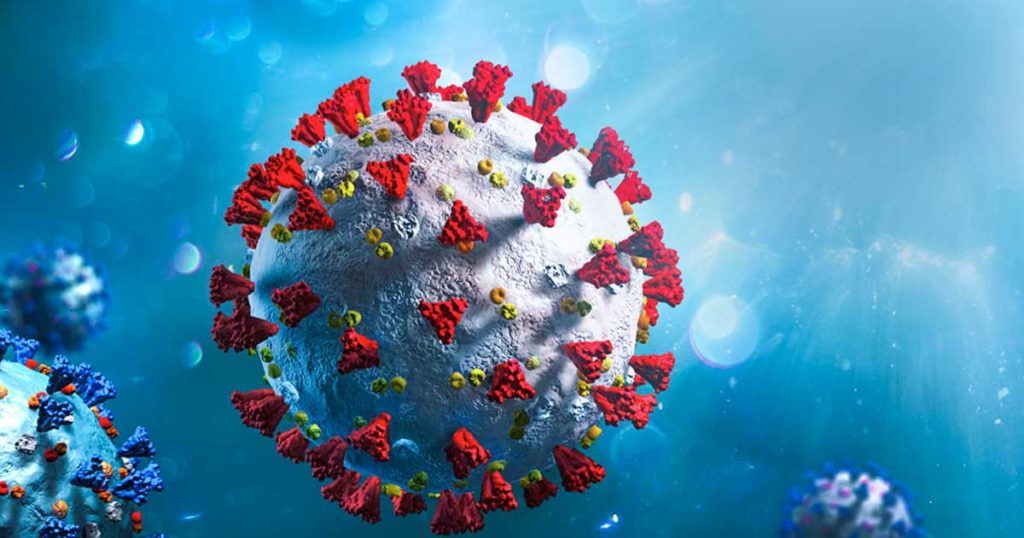
As we’ve all learned from the current global COVID-19 pandemic, coronaviruses are generally bad news. Among the four genera of coronaviruses, the betacoronavirus genus has been especially notorious. In the past 20 years, three highly pathogenic betacoronaviruses, MERS-CoV, SARS-CoV and SARS-CoV-2 have resulted in serious pandemics. All three of these viruses originated from bats, highlighting the continued risk of coronavirus transmission from animals to humans.
Typically, when a new viral threat emerges, researchers scramble to develop drugs or vaccines after the virus has already gotten out of control. However, developing a vaccine for each new virus is a slow and painstaking process, and many lives will be lost before a vaccine is distributed. But what if we had one, universal coronavirus vaccine that could neutralize not only all existing betacoronaviruses, but any new variants that emerge in the future?
Glioblastoma (GBM) is an aggressive type of brain tumor, and one of the deadliest cancers. GBM is often treated with surgery, radiation and chemotherapy, but even if the initial treatment is successful, a majority of patients relapse within months. One reason why GBM is so difficult to treat is the hypoxic (low-oxygen) tumor environment. It is known that hypoxic cells are resistant to radiotherapy; the greater the number of tumor stem cells in a hypoxic environment, the less efficient radiotherapy is at controlling tumor growth.
A new therapeutic approach aims to remove the hypoxic environment in GBM by administering pure oxygen to patients at high pressure, known as “hyperbaric oxygen (HBO) therapy”. Previous studies have shown that HBO improves the efficacy of radiotherapy in GBM patients. However, the therapeutic mechanism of HBO was largely unknown. That is, until now.
Dr. Anna Tesei, the Head of Radiobiomics and Drug Discovery at the Biosciences Laboratory of IRST-IRCCS in Italy, recently published a study on the mechanism in which HBOT affects GBM tumor cells and the tumor environment. “The main purpose of our study was to provide a preclinical rationale for the use of hyperbaric oxygen in association with radiotherapy for the treatment of GBM,” she says.
Most of us, after we flush the toilet, don’t think twice about our body waste. To us, it’s garbage. To epidemiologists, however, wastewater can provide valuable information about public health and help save lives.
History of Wastewater-Based Epidemiology
Wastewater-based epidemiology (WBE) is the analysis of wastewater to monitor public health. The term first emerged in 2001, when a study proposed the idea of analyzing wastewater in sewage-treatment facilities to determine the collective usage of illegal drugs within a community. At the time, this idea to bridge environmental and social sciences seemed radical, but there were clear advantages. Monitoring wastewater is a nonintrusive and relatively inexpensive way to obtain real-time data that accurately reflects community-wide drug usage while ensuring the anonymity of individuals.
When we think of viruses, we often think of diseases, pandemics and death. Our impression of viruses is that they are “bad”. But viruses could also be a possible cure for the deadliest disease in modern history: cancer. The therapeutic effects of “good” cancer-killing oncolytic viruses have been documented over a century ago. Records from as early as 1904 described a 42-year old woman with acute leukemia who experienced temporary remission after an influenza infection. Other early reports showed spontaneous remission of Hodgkin lymphoma and Burkitt’s lymphoma after natural infections with the measles virus.
Despite the long history, oncolytic viruses have only recently gained momentum in the scientific community. Dr. Aldo Pourchet, CSO and co-founder of Omios Biologics—a biotech startup in the San Francisco Bay area—is determined to harness the power of oncolytic viruses to develop a new generation of cancer immunotherapy.
How Oncolytic Viruses Work
“One thing that we know for sure is that you need the immune system to fight the cancer,” says Pourchet. “You need to recruit the immune system, and probably the best thing we know for recruiting the immune system is viruses. Our immune system evolved to detect them immediately. That’s why we are still on Earth. It’s because we have been able to fight deadly viruses.”
XWe use cookies and similar technologies to make our website work, run analytics, improve our website, and show you personalized content and advertising. Some of these cookies are essential for our website to work. For others, we won’t set them unless you accept them. To learn more about our approach to Privacy we invite you to Read More
By clicking “Accept All”, you consent to the use of ALL the cookies. However you may visit Cookie Settings to provide a controlled consent.
We use cookies and similar technologies to make our website work, run analytics, improve our website, and show you personalized content and advertising. Some of these cookies are essential for our website to work. For others, we won’t set them unless you accept them. To find out more about cookies and how to manage cookies, read our Cookie Policy.
If you are located in the EEA, the United Kingdom, or Switzerland, you can change your settings at any time by clicking Manage Cookie Consent in the footer of our website.
Necessary cookies are absolutely essential for the website to function properly. These cookies ensure basic functionalities and security features of the website, anonymously.
Cookie
Duration
Description
cookielawinfo-checbox-analytics
11 months
This cookie is set by GDPR Cookie Consent plugin. The cookie is used to store the user consent for the cookies in the category "Analytics".
cookielawinfo-checbox-functional
11 months
The cookie is set by GDPR cookie consent to record the user consent for the cookies in the category "Functional".
cookielawinfo-checbox-others
11 months
This cookie is set by GDPR Cookie Consent plugin. The cookie is used to store the user consent for the cookies in the category "Other.
cookielawinfo-checkbox-advertisement
1 year
The cookie is set by GDPR cookie consent to record the user consent for the cookies in the category "Advertisement".
cookielawinfo-checkbox-necessary
11 months
This cookie is set by GDPR Cookie Consent plugin. The cookies is used to store the user consent for the cookies in the category "Necessary".
cookielawinfo-checkbox-performance
11 months
This cookie is set by GDPR Cookie Consent plugin. The cookie is used to store the user consent for the cookies in the category "Performance".
gdpr_status
6 months 2 days
This cookie is set by the provider Media.net. This cookie is used to check the status whether the user has accepted the cookie consent box. It also helps in not showing the cookie consent box upon re-entry to the website.
lang
This cookie is used to store the language preferences of a user to serve up content in that stored language the next time user visit the website.
viewed_cookie_policy
11 months
The cookie is set by the GDPR Cookie Consent plugin and is used to store whether or not user has consented to the use of cookies. It does not store any personal data.
Analytical cookies are used to understand how visitors interact with the website. These cookies help provide information on metrics the number of visitors, bounce rate, traffic source, etc.
Cookie
Duration
Description
SC_ANALYTICS_GLOBAL_COOKIE
10 years
This cookie is associated with Sitecore content and personalization. This cookie is used to identify the repeat visit from a single user. Sitecore will send a persistent session cookie to the web client.
vuid
2 years
This domain of this cookie is owned by Vimeo. This cookie is used by vimeo to collect tracking information. It sets a unique ID to embed videos to the website.
WMF-Last-Access
1 month 18 hours 24 minutes
This cookie is used to calculate unique devices accessing the website.
_ga
2 years
This cookie is installed by Google Analytics. The cookie is used to calculate visitor, session, campaign data and keep track of site usage for the site's analytics report. The cookies store information anonymously and assign a randomly generated number to identify unique visitors.
_gid
1 day
This cookie is installed by Google Analytics. The cookie is used to store information of how visitors use a website and helps in creating an analytics report of how the website is doing. The data collected including the number visitors, the source where they have come from, and the pages visted in an anonymous form.
Advertisement cookies are used to provide visitors with relevant ads and marketing campaigns. These cookies track visitors across websites and collect information to provide customized ads.
Cookie
Duration
Description
IDE
1 year 24 days
Used by Google DoubleClick and stores information about how the user uses the website and any other advertisement before visiting the website. This is used to present users with ads that are relevant to them according to the user profile.
test_cookie
15 minutes
This cookie is set by doubleclick.net. The purpose of the cookie is to determine if the user's browser supports cookies.
VISITOR_INFO1_LIVE
5 months 27 days
This cookie is set by Youtube. Used to track the information of the embedded YouTube videos on a website.
Performance cookies are used to understand and analyze the key performance indexes of the website which helps in delivering a better user experience for the visitors.
Cookie
Duration
Description
YSC
session
This cookies is set by Youtube and is used to track the views of embedded videos.
_gat_UA-62336821-1
1 minute
This is a pattern type cookie set by Google Analytics, where the pattern element on the name contains the unique identity number of the account or website it relates to. It appears to be a variation of the _gat cookie which is used to limit the amount of data recorded by Google on high traffic volume websites.