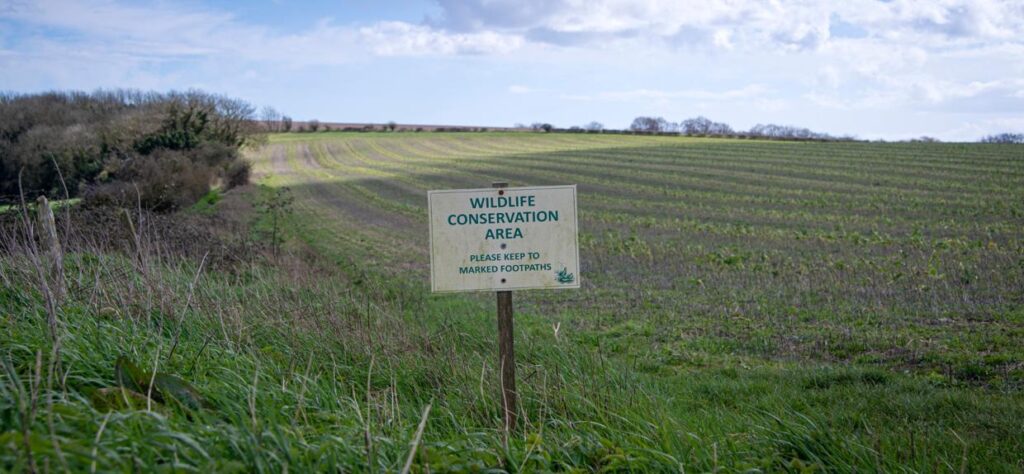
December 4 marks World Wildlife Conservation Day, a day set aside to highlight global efforts to protect endangered species and preserve the biodiversity and ecosystems that sustain our planet. It is an opportunity to call attention to the serious threats posed by wildlife crimes, such as poaching and illegal trafficking, and a time to stand together against ongoing dangers to wildlife and their habitat.
Every organism, from myxozoans to blue whales, has a place in the delicate balance of ecosystems. When these systems become unstable, the impact can be far reaching—affecting anything from crop loss and soil fertility to water and air quality. This World Wildlife Conservation Day we want to reflect on the role science can play in understanding and protecting the wildlife and ecosystems that support us all.
Understanding Biodiversity and Its Impact on Conservation Efforts
Wildlife conservation is deeply interdisciplinary, and scientific methods often play a large part in successful efforts to protect a species or ecosystem. Molecular biology techniques such as PCR, nucleic acid purification and genomic analysis are used every day in labs around the world. These same tools and techniques can also be applied to conservation science.
For example, along the coast of Mozambique, scientists are using DNA barcoding to catalog marine biodiversity, helping fill in areas where traditional survey methods fall short. Using small tissue samples or even water, these researchers can accurately classify fish species, giving them a more comprehensive view into the composition of both marine and coastal fish diversity. This work helps expand our understanding of the complexity of marine ecosystems. Explore their work.
In another study, researchers investigating how amphibians, specifically frogs, adapt to rising temperatures discovered that manipulating the gut microbiome of frog tadpoles affected the adult frog’s heat tolerance. This work suggests that the microbial communities within an animal’s body can influence how it responds to environmental stress—insight that could impact the survival of many heat-sensitive species as global temperatures increase. Learn more about this connection.
At the OceanOmics Centre in Australia, environmental DNA (eDNA) is being used to monitor biodiversity in the oceans. Using instruments like the Maxwell® RSC, researchers can extract nucleic acids from seawater samples and identify species based on genetic material alone. This scalable approach allows for broad, non-invasive biodiversity monitoring that would be nearly impossible using traditional methods. Read about how they’re scaling eDNA monitoring.
These three examples show how understanding biodiversity often starts at the molecular level—and how seemingly small scientific insights have the potential for wide reaching conservation impact. This work also offers a window into the future of conservation—a future that is collaborative, data-driven and often powered by tools that are already staples in molecular biology labs.
Going Beyond Protection: Advances in Restoration and Innovation
Conservation efforts can and should reach beyond protecting what remains—they are also about exploring ways to rebuild and restore what has been lost. Organizations like Revive & Restore are combining conservation with biotechnology to create a toolkit to help endangered species recover and thrive. Their mission is to enhance biodiversity by capturing the genetic makeup of endangered and extinct species. Their projects include everything from genetic rescue to supporting climate adaptation in vulnerable populations. See what they’ve accomplished.
How Can You Contribute?
Even without direct involvement in fieldwork, laboratory research or policy work, you can still support wildlife conservation in meaningful ways.
- Buy sustainably sourced products — support brands that avoid wildlife-harmful practices (seafood certified by MSC, sustainably sourced palm oil, etc.).
- Reduce single-use plastics and/or improve lighting — small daily changes (less plastic, bird-friendly nighttime lighting) reduce hazards for wildlife.
- Support reputable conservation organizations— Even small contributions or volunteer efforts can make a difference.
- Support wildlife rehab & rescue — donate supplies, funds, or time to local wildlife rehabilitators. Note: It is important to follow published guidance for handling sick/injured animals, don’t attempt rescue without training.
- Start a native-plant garden or “pollinator patch” — plant regionally native flowers and shrubs to provide food and shelter for birds, bees and butterflies.
- Volunteer in local projects — join park/refuge habitat restoration, tree-planting or invasive-species removal days run by local land trusts or parks departments.
Conservation Is a Shared Responsibility
The challenges facing wildlife and their habitats are urgent, and science offers powerful tools that can help understand and address these threats. World Wildlife Conservation Day is a reminder that conservation is not the responsibility of one discipline or profession. We all have a responsibility to play our part.
Our planet survives through a balance of interwoven ecosystems, where every component plays an important role. From iconic species to microscopic organisms— every thread in the tapestry of life contributes to its strength and resilience, and every thread that breaks weakens the fabric of life on which we all depend.

Kelly Grooms
Latest posts by Kelly Grooms (see all)
- From Forever Chemicals to Ancient Proteins: Five Science Stories from 2025 - January 8, 2026
- World Wildlife Conservation Day: Reflecting on the Role of Science in Protecting Threatened or Endangered Species and Ecosystems - December 4, 2025
- Unlocking the Power of Live-Cell Kinetics in Degrader Development - September 2, 2025
