World Wildlife Conservation Day: Reflecting on the Role of Science in Protecting Threatened or Endangered Species and Ecosystems  

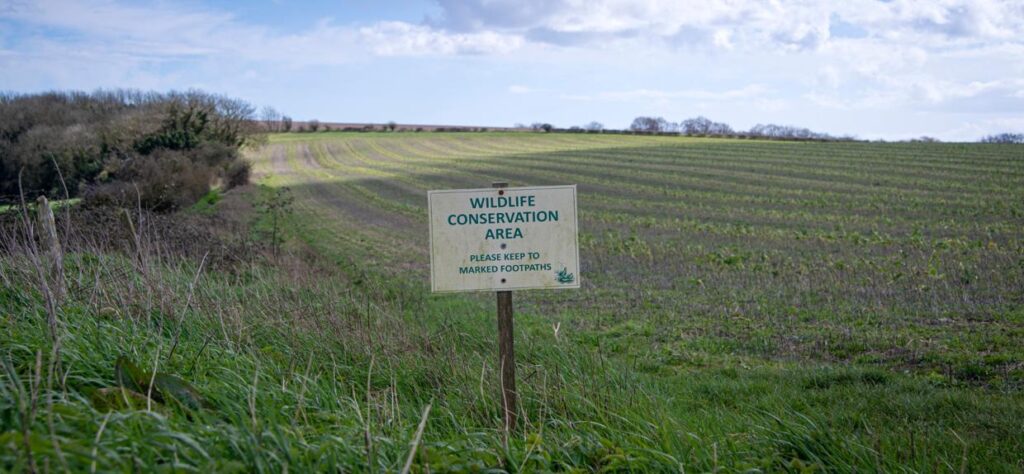
A sign reading “Wildlife Conservation Area — Please keep to marked footpaths” stands in the foreground of a grassy field, with rows of young crops and a line of trees under a partly cloudy sky.

December 4 marks World Wildlife Conservation Day, a day set aside to highlight global efforts to protect endangered species and preserve the biodiversity and ecosystems that sustain our planet. It is an opportunity to call attention to the serious threats posed by wildlife crimes, such as poaching and illegal trafficking, and a time to stand together against ongoing dangers to wildlife and their habitat.  

Every organism, from myxozoans to blue whales, has a place in the delicate balance of ecosystems. When these systems become unstable, the impact can be far reaching—affecting anything from crop loss and soil fertility to water and air quality. This World Wildlife Conservation Day we want to reflect on the role science can play in understanding and protecting the wildlife and ecosystems that support us all.  

Continue reading “World Wildlife Conservation Day: Reflecting on the Role of Science in Protecting Threatened or Endangered Species and Ecosystems  “

The Wild Genomes Program: Optimizing Conservation Outcomes Using Genomics

Although it is easy to get swept up in the dark year that was 2020, one advantage of overwhelming darkness is it makes it easier to find the bright spots, the beacons of hope, the people working to make the world a better place. One of these bright spots was the launch of Wild Genomes, a new biobanking and genome sequencing program through Revive & Restore.

Back in 2018, the Catalyst Science Fund was established by Revive & Restore with a 3-year pledge from Promega for $1 million annually. The purpose of the fund is to help support proof-of-concept projects and to advance the development of new biotechnology tools to address some of the most challenging and urgent problems in conservation that currently lack viable solutions, including genetic bottlenecks, invasive species, climate change and wildlife diseases. 

Through this fund, the Wild Genomes program was launched, with the goal of getting sequencing and biobanking tools into the hands of people working to protect biodiversity right now, and to help support them in applying genomic technologies towards their wildlife conservation efforts.

In their first request for proposals , the competitive Wild Genomes program received over 58 applications from researchers in 19 different countries, all of which aimed to address various species conservation issues using applied genomic technologies. The second round of projects, to be announced this Spring, will focus solely on marine species. Take a look at these first 11 amazing projects that have been awarded funding and the species conservation challenges they are taking on below:

Continue reading “The Wild Genomes Program: Optimizing Conservation Outcomes Using Genomics”