We share this planet with approximately 8.7 million species of plants and animals. Within such a diverse environment, it’s only natural that many complex relationships have developed among different species. Some relationships are mutually beneficial, some are parasitic—and some are lethal.
Natural toxins and venoms are biologically active compounds produced by normal metabolic processes in an organism but are harmful to other organisms. Typically, toxins are encountered passively or ingested by the affected organisms, and have a specific mode of action and binding site within a cell. In contrast, venoms are introduced directly into the victim through a specialized delivery mechanism, and they may consist of a mixture of compounds that affect a range of cell types and tissues (1). Both types of poisons are produced for predation, defense, or to offer a competitive advantage (1).
Continue reading “Genome-Wide CRISPR Screening: Putting Death on Hold”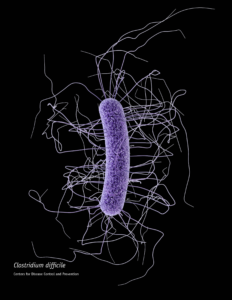 When someone is admitted to a hospital for an illness, the hope is that medical care and treatment will help them them feel better. However, nosocomial infections—infections acquired in a health-care setting—are becoming more prevalent and are associated with an increased mortality rate worldwide. This is largely due to the misuse of antibiotics, allowing some bacteria to become resistant. Furthermore, when an antibiotic wipes out the “good” bacteria that comprise the human microbiome, it leaves a patient vulnerable to opportunistic infections that take advantage of disruptions to the gut microbiota.
 Bacterial exotoxins are scary things. The names of the big three: Tetanus, Anthrax and Botulinum, are sufficient to evoke fear and conjure up images of agony, paralysis, mass hysteria, and permanently frozen Hollywood faces. The worst toxin stories are hard to forget. I can still remember the gruesome textbook case studies that accompanied my bacteriology college lectures. There were the home-canning-gone-horribly-awry botulism stories, the historical examples of agonizing tetanus poisonings, and the less lethal but still nasty cases of fast-acting staph toxins delivered to unsuspecting airline passengers in re-heated meals (avoid the ham sandwiches!). It’s all coming flooding back to me.