Sequence to Substance: Making the mRNA Therapeutic

mRNA-based therapeutics are being explored across a range of applications, including vaccines, protein replacement and immunotherapies (2).

Before any formulation decisions enter the picture, teams need confidence in the RNA itself: that it is the right sequence, right properties and the right purity to behave predictably downstream. That is where it helps to separate drug substance from drug product. The drug substance is the active ingredient intended to deliver a pharmacological effect, while drug product is the finished dosage form that contains that ingredient (6).

This post focuses on what happens upstream, making the mRNA drug substance before formulation. In practical terms, that upstream work spans choosing an mRNA construct, producing it by IVT, and then purifying and analyzing the product so it has the desired quality attributes (5).

Continue reading “Sequence to Substance: Making the mRNA Therapeutic”
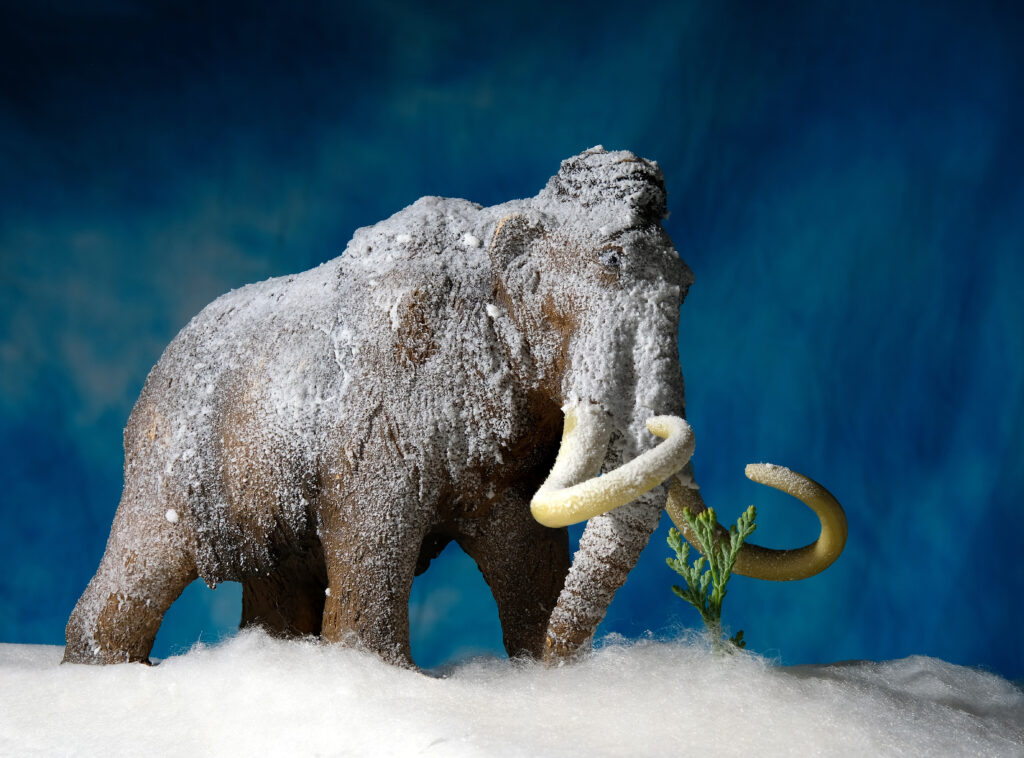
Ancient RNA From a Woolly Mammoth?

Most of us first meet woolly mammoths as Manny from Ice Age (a gentle giant with main character energy) or as towering skeletons in museum halls. In the lab, though, mammoths can show up in many ways: such as fragile molecules preserved in permafrost for tens of thousands of years.

Woolly Mammoth

Ancient DNA has already helped scientists piece together mammoth genomes. Now scientists have done something wilder: they’ve pulled ancient RNA out of a ~39,000-year-old woolly mammoth and used it to see which genes were being expressed in its muscle tissue. In a new study, researchers showed that not only can woolly mammoth DNA survive tens of thousands of years in permafrost, but RNA, the fragile, quick-to-degrade “live feed” of the cell, can too.

Continue reading “Ancient RNA From a Woolly Mammoth?”

Riboprobes: RNA Probes Are Still Valuable Research Tools

9613ca[1]Riboprobes are RNA probes that can be produced by in vitro transcription of cloned DNA inserted in a suitable plasmid downstream of a viral promoter.
Viruses code for their own RNA polymerases, which are highly specific for the viral promoters. Using these enzymes, labeled NTPs, and inserts in both forward and reverse orientations, both sense and antisense riboprobes can be generated from a cloned gene.
Transcription of RNA is performed with the appropriate RNA polymerase (T3, T7 or SP6), depending on the RNA polymerase promoter sites present in the chosen vector. Because these polymerases are extremely promoter-specific (i.e., there is almost no transcriptional cross talk), virtually homogeneous RNA can be obtained using plasmid DNA as the template in a transcription reaction. When it is desirable to copy only insert DNA sequences, the plasmid is linearized at an appropriate restriction site before the transcription reaction and only discrete “run-off” transcripts are obtained, virtually free of vector sequences. RNA transcripts may be used to generate radioactive probes for hybridization to Northern and Southern blots, plaque and colony lifts as well as non-radioactive probes (i.e, labeled with digoxgenin)for in situ hybridization.

Recent references using riboprobes include: Continue reading “Riboprobes: RNA Probes Are Still Valuable Research Tools”