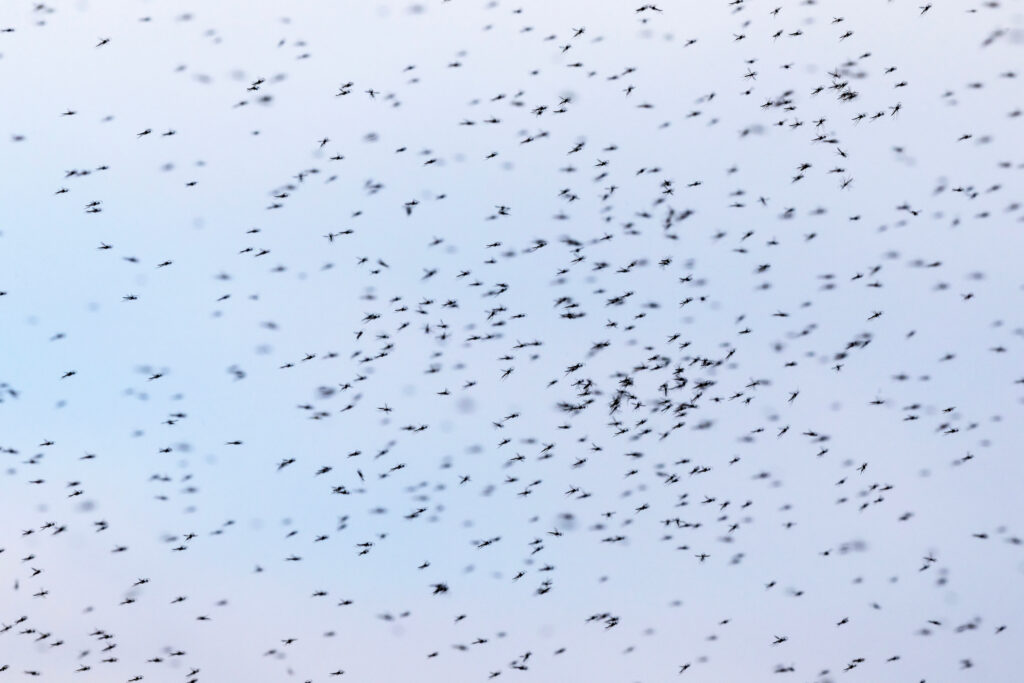
For decades, Oropouche virus (OROV) was considered a problem limited to the Amazon Rainforest. OROV is transmitted to humans and animals through the bite of tiny blood-feeding insects called Culicoides midges. The virus causes Oropouche fever, which leads to debilitating symptoms like a high fever and severe headache1. While the virus was first isolated in Trinidad in 1955, it has since been associated primarily with outbreaks in the Amazon Basin. However, in the last two years, over 29,000 confirmed cases have been reported across the Americas, suggesting the virus has expanded well beyond its historical range.
One of the most concerning expansions is the state of Minas Gerais in southeastern Brazil. Unlike the Amazon, Minas Gerais sits within the Atlantic Forest biome, a heavily fragmented landscape shaped by agriculture, urbanization, and a climate distinct from the humid tropics where OROV has traditionally circulated. With more than 1,600 cases of Oropouche fever since January 2024, a consortium of researchers from universities in Brazil and the US have combined their efforts to try to understand the urgent question: what is driving OROV transmission in this unfamiliar territory2?