The Science of Slipping… Blame the Molecules!

Whether it’s Home Alone’s booby-trapped icy steps, Bambi learning his legs have zero traction, or an Ice Age chase scene defying gravity, ice has been comedy gold for decades. In real life, the joke lands a little harder (sometimes literally).

Slippery Ice

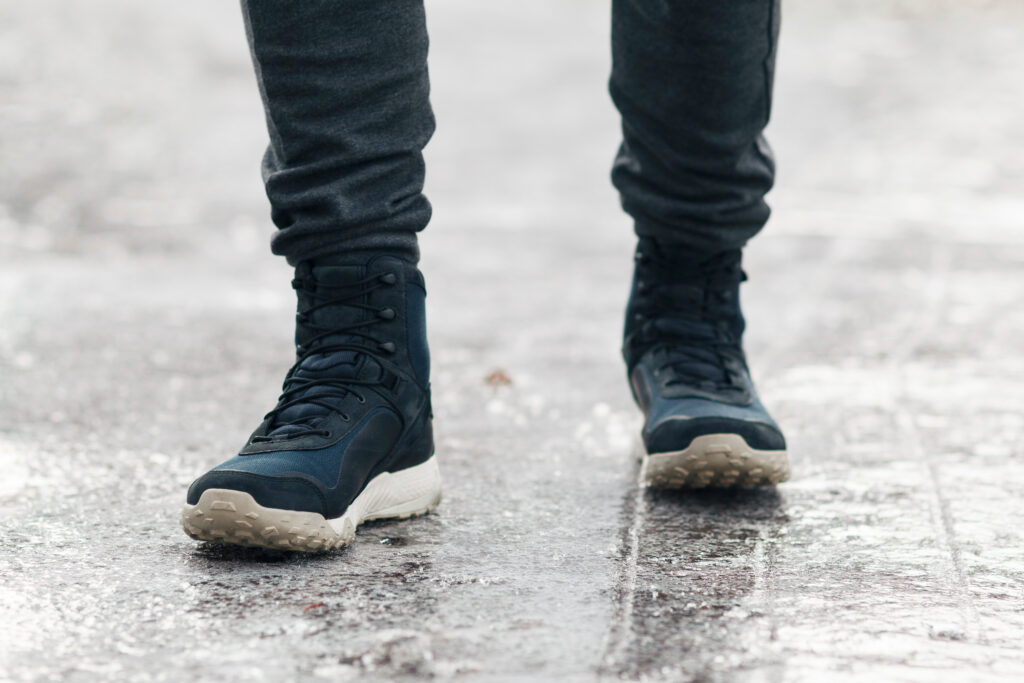
We all know ice is slippery. The more surprising part is why it’s slippery and how long it took scientists to start agreeing on something closer to an answer. Researchers have long known the surface of ice behaves like it’s wearing a microscopic “wet” layer that lubricates motion. What they’ve argued about for nearly 200 years is what creates that layer in the first place (3,4).

So, let’s treat this like a mystery. Ice is the crime scene. Your dignity is the victim. Here are the main suspects.

Continue reading “The Science of Slipping… Blame the Molecules!”

Ice Age Secrets: The Discovery of a Juvenile Sabretooth Cat Mummy 

In the permafrost of Siberia, a remarkable discovery has been made—a mummified juvenile sabretooth cat, Homotherium latidens, frozen in time for over 35,000 years. This discovery, made along the Badyarikha River in the Indigirka River Basin of Yakutia, Russia, offers an exciting glimpse into a species that has no modern analog (a living equivalent of something extinct) (1). For paleontologists and evolutionary biologists, it provides an unprecedented look at an ancient predator that roamed the Earth during the Ice Age. So, how is this cub mummy truly fascinating scientists?  

A Rare Find  

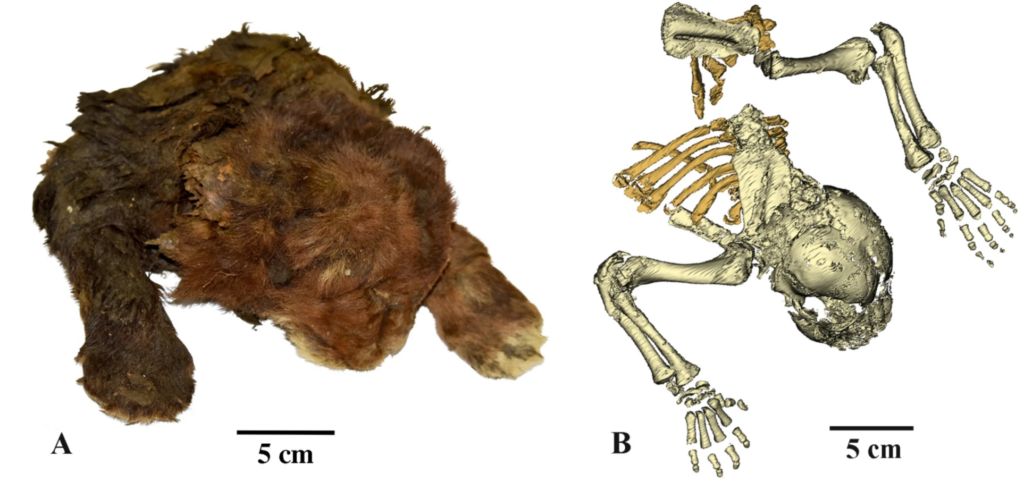
Homotherium Sabretooth mummy
The frozen mummy of Homotherium latidens: (A) external appearance; (B) skeleton, CT-scan, dorsal view (1).

The permafrost of Siberia is a treasure trove of Ice Age fossils, but the discovery of a mummified Homotherium cub stands out for its rarity and significance. While bones can tell us a lot about the history of an extinct species, mummies—where the animal’s soft tissues, such as fur, skin and sometimes internal organs, are preserved—offer far more detailed information. ‘Mummies’ refer to animals (or humans) that have been preserved with their soft tissues intact, often through natural or intentional processes like drying or embalming. This preservation allows scientists to gain insights into the organism’s diet, health, development and adaptations—details that bones alone can’t reveal! 

Continue reading “Ice Age Secrets: The Discovery of a Juvenile Sabretooth Cat Mummy “

Analogues

People who know me well have, at some point, heard me hold forth on the subject of Antarctica. It’s a passion of mine, though I’ve never been there. The forgotten continent is like the Sirens, pulling those who dare to trespass upon the ice back to one of the bleakest places on Earth.

I have consumed many accounts of life there, and have configured my internet services to deliver me news reports that deliver little crumbs of information. Anything that mentions Antarctica crosses my screen.

My fascination derives from boyhood dreams of space. Young visions of piloting starships and traversing Martian landscapes – visions of adventure, glory, and alien encounters – shattered in daylight on a January day in 1986 as I sat cross-legged on an elementary school gymnasium floor. It would be years before I saw 2001: A Space Odyssey, but watching the Challenger disintegrate into a fiery end, I immediately understood one of its central lessons: space is not glamorous, glorious, or any more alien than many of the places on our planet. Space is cold, unemotional, and unforgiving. It is intolerant of error, and it is lonely. And despite these things, it is where any future humans can hope to have must lie.

I will never go into orbit, but Antarctica, that’s the next best thing. Cold. Unforgiving. Intolerant of error. Nearly devoid of life except that which we import and resupply, it is where we troubleshoot the logistical problems of sustaining remote and isolated human colonies. Having spread across six other continents, it is our last terrestrial frontier.

No, I will never float among celestial bodies and listen to the low murmur of the universe rippling deep in the dark silence of space. But there is another place where we pursue science, a place closer to home, where I can be cold and alone and maybe catch a stray shard of a broken childhood dream.