Piecing Together the Primate Gut Microbiome: Known Residents and Novel Species

If you’ve read anything about the gut microbiome in the last decade, you’ve probably encountered a familiar setup: researchers collect stool samples, sequence the microbial DNA, and draw conclusions about gut health based on what microbes populate the gut. It’s a practical approach because stool is relatively easy to collect and doesn’t require invasive procedures. But how well does a stool sample represent the health of the entire intestinal tract?

A team of researchers at the Quadram Institute Bioscience and UK Health Security Agency set out to answer this question in primates1. They characterized the intestinal microbiome of cynomolgus macaques, a primate commonly used in biomedical research because of its genetic and physiological similarities to humans. Rather than relying on stool alone, the team collected samples from six distinct regions along the intestinal tract in 24 captive-bred animals ranging in age from 4 to 20 years.
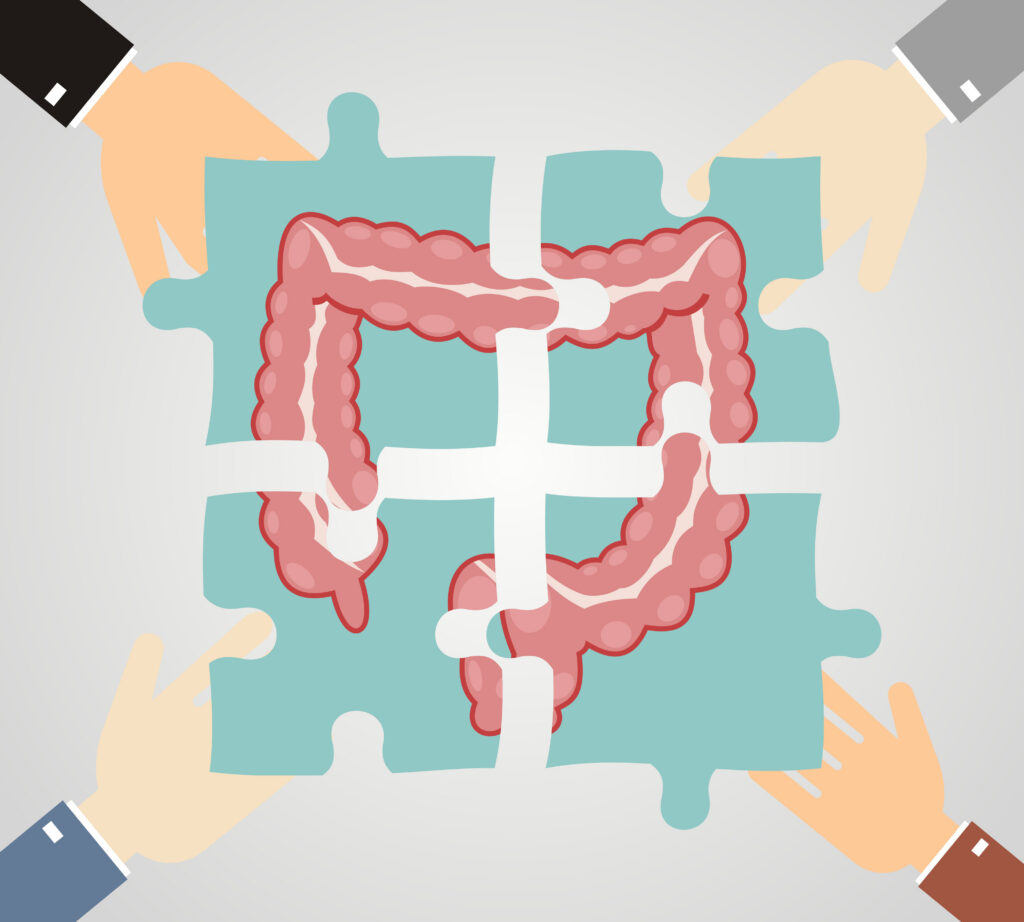
Four hands putting jigsaw puzzle pieces with image of large intestine together.
Continue reading “Piecing Together the Primate Gut Microbiome: Known Residents and Novel Species”

Therapeutics Come Alive: An Interview with PharmaBiome

The next generation of medicine may not come in a pill or vial — but in a living community of microbes. Scientists at Pharmabiome, a Zurich-based biotechnology company, are leveraging their expertise in microbiome research to create truly “living” therapies.

More Than a Gut Feeling

All around us – and inside –exists an entire universe of microscopic organisms commonly referred to as the microbiome. In fact, our body contains more microbes than human cells, working hand in hand to maintain normal physiology. The most heavily colonized part of our body is our gastrointestinal (GI) tract – our gut – housing thousands of different bacteria, viruses and fungi. Collectively termed ‘gut microbiota’, this complex network of microorganisms helps us digest nutrients, produces essential metabolites, protects us against pathogens, and more.

The diverse species in our GI tract co-exist in a dynamic equilibrium, each fulfilling a defined set of functions and interacting with other species through cross-feeding mechanisms that, together, promote gut health. When this delicate balance is perturbed, be it through dietary changes, antibiotic treatments, or other factors, the effect ripples across the body. Increasing evidence suggests that gut dysbiosis actively contributes to pathological conditions ranging from inflammatory bowel disease (IBD) and obesity to neurological and autoimmune disorders. The good news is, as our understanding of gut ecology evolves, so does the potential to harness and reshape the microbiome to improve health.

Continue reading “Therapeutics Come Alive: An Interview with PharmaBiome”
