The FIFA World Cup has drawn fans from dozens of countries around the world to the United States, making it one of the largest international sporting gatherings in history. With thousands of people gathering together, it’s important for scientists and public health professionals to track contagious diseases. These pathogens spread easily, which is why early detection matters.
Testing everyone who comes into an event is impractical, and if you wait too long, the disease may have already spread. How then do scientists preemptively use wastewater to check for disease spread without testing every individual?
How do scientists test for wastewater?
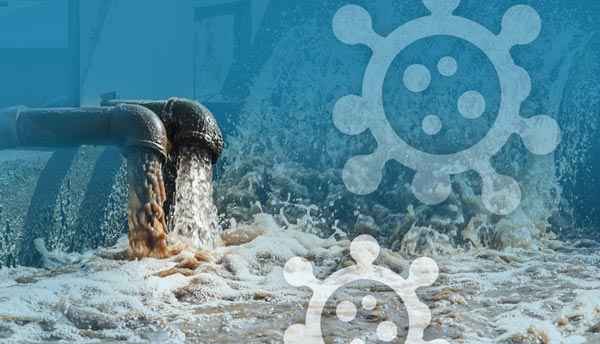
Wastewater surveillance, or wastewater-based epidemiology (WBE), is a rapidly growing field that has recently proved effective in tracking the spread of diseases in communities around the world. WBE refers to the process of analyzing the wastewater output from a population to detect the presence of certain compounds or pathogens. Though its use became widespread during the pandemic, it continues to show utility in monitoring other infectious diseases as well, including polio, influenza and monkeypox, among others.
Samples collected from wastewater treatment plants provide a wealth of information, but the output from individual buildings can sometimes offer more specificity as to where exactly a pathogen is circulating. Occasionally, viruses that go undetected in samples from a treatment plant are still found on a micro level in sewage from facilities like hospitals or schools.
Outbreak sampling is triggered by specific high-risk events or locations where large numbers of international travelers converge in a short window. These include airports receiving international flights, border crossing facilities, and now, World Cup venues. Wastewater at these sites is sampled frequently and analyzed rapidly, so that any early pathogen signal can trigger a public health response before a cluster spreads. This is the approach being used across World Cup host cities.
Does wastewater testing happen outside of big events?
Wastewater testing is not unique to large fan events or big celebrations. It has several uses year-round. Sampling frequency and methodology are tailored to the setting. That means daily monitoring at high-risk sites or weekly surveillance at municipal treatment plants.
Local routine testing tracks disease trends in a community over time by sampling municipal wastewater treatment plants that serve entire neighborhoods or cities. Because wastewater signals can appear days before clinical cases are reported, this type of surveillance gives public health departments a head start on emerging threats. That lead time can inform when to contain a potential outbreak or ask individuals to get tested to verify the disease spread.
Some pathogens follow predictable seasonal cycles, making certain times of year ideal for intensified wastewater surveillance. Flu season brings heightened monitoring for influenza strains, while the annual return of students to college campuses creates concentrated conditions for respiratory and gastrointestinal illness to spread rapidly. Targeted sampling during these windows allows institutions to act on early signals before cases escalate.
Promega offers several reagents and systems for monitoring wastewater. Learn more about Promega Wastewater Testing solutions.
References
Kruger, AnnaKay. 2022. “Disease Dynamics and Wastewater Surveillance in the Las Vegas Desert.” Promega Connections. November 1, 2022. https://www.promegaconnections.com/wastewater-surveillance-in-the-las-vegas-desert/.
Young, Lauren J. 2026. “The World Cup Could Be a Petri Dish for Disease. Wastewater Could Sound the Alarm.” Scientific American. June 10, 2026. https://www.scientificamerican.com/article/the-world-cup-could-be-a-petri-dish-for-disease-wastewater-could-sound-the-alarm/.

Parker Smith
Latest posts by Parker Smith (see all)
- Taming the Bite: How Maxwell Takes the Fear Out of Rabies Testing - September 18, 2026
- Timing Matters in Legionella Testing - September 9, 2026
- Mitigating Disease by Testing Wastewater at Large Events - July 15, 2026
