High-throughput screening (HTS) has been a central approach in small-molecule drug discovery since the late 1980s. It gives researchers a systematic way to find hits: compounds that act on a target and can be refined into drug candidates. The assays used in those screens matter, and cell-based assays are especially valuable because they bridge biochemical assays and in vivo models. Biochemical assays give direct readouts but miss the cellular context, while in vivo models are informative, but costly and slow. Cell-based assays enable scientists to study signaling pathways, target modulation and cytotoxicity in a more native environment, at a practical scale.
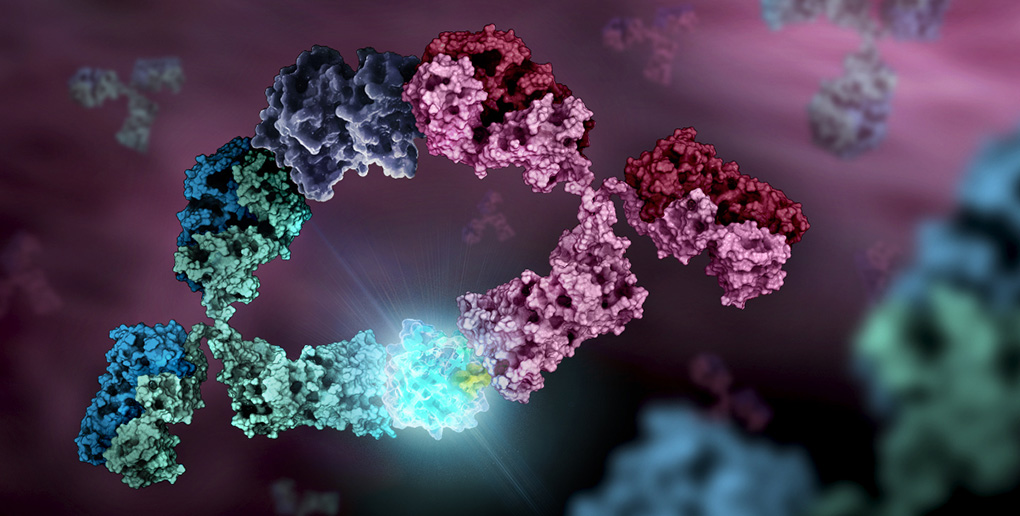
Many cell-based screens depend on engineered reporter systems: cells genetically modified so a pathway of interest produces a measurable signal, such as light or fluorescence. These cell lines take significant time and effort to build and maintain, and because they’re modified, they may not reflect disease-relevant cell states. As drug discovery moves toward primary cells and patient-derived lines, assays that detect endogenous proteins without genetic manipulation become more appealing. Those assays work across more cell types and are faster to set up.
Continue reading “Adapting a Cell-Based Immunoassay for HTS: From the Bench to a 7,000-Compound Screen “