 Adversity and stress are known risk factors for psychiatric disorders, cardiovascular and immune disease, cognitive decline and other health problems. The long-term negative effects of adversity seem to be greatest if the traumatic events were experienced during childhood, when the brain and other biological systems are developing and maturing. Researchers are working to identify the mechanisms involved and have identified telomere shortening as one possible mechanism by which adversity increases morbidity and mortality. Continue reading “The Link Between Childhood Adversity and Cellular Aging”
Wellness and Nutrition
Spring Cleaning Our Lives
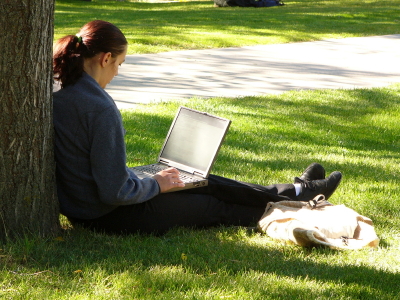
During spring cleaning we open up the windows, get rid of the junk we no longer need (or never needed in the first place) and give our carpets a much needed deep clean. When we are done we feel energized, organized, and focused—ready to take on the world again. What if we could apply this principle to our lives? Hear me out ….a big area of discussion these days is how to achieve a work-life balance. Sort of like spring cleaning for your life, getting better at organizing your time and taking more time for things that are important to you and rejuvenate your spirit instead of just your home. Something tells me we would all be happily surprised with the results. Guess what, The Executive Office of the President, Council of Economic Advisers, agrees.
Continue reading “Spring Cleaning Our Lives”When Being Dense is Good: Mindfulness, Meditation and Increasing Gray Matter
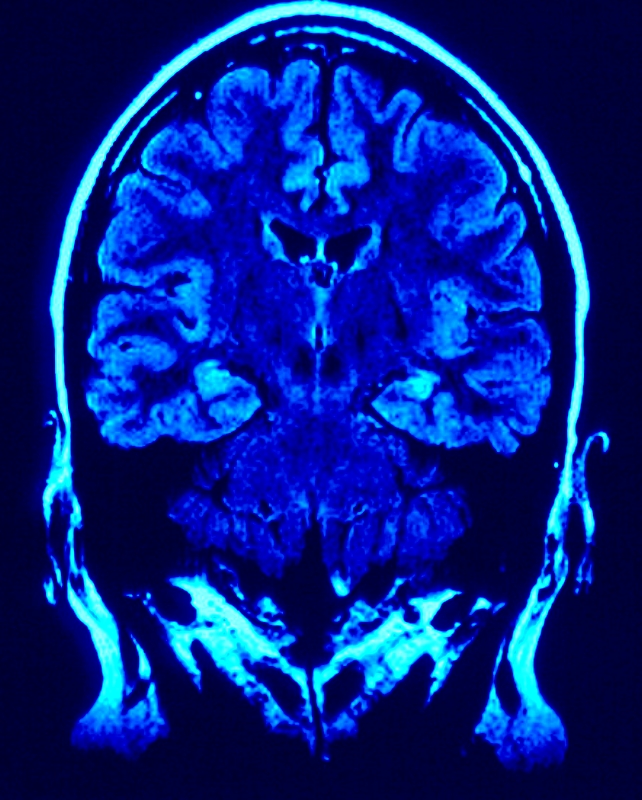 When my my Mother’s sister, Pat, was seven years old, she was in a car-bicycle accident that resulted in some very serious brain trauma. She spent better than a year learning to walk and talk again, and although there were some lasting personality changes, she went on to earn a nursing degree and live an independent life. When I think of My Aunt Pat, I can’t help but marvel at what the human brain can do. Damaged brain tissue does not re-grow, but still the brain can find a way to rewire itself to circumvent damaged areas.
Fortunately, it doesn’t take trauma to the brain for it to demonstrate its plasticity. Our neural structures can be modified with the right training. Studies have shown task-specific increases in gray matter as a result of things such as learning an abstract skill or increasing aerobic activity. Cross-sectional studies have established that differences in performance abilities are associated with differences in regional gray matter. To me this begs the question: Can we consciously increase gray matter in specific regions of the brain? Continue reading “When Being Dense is Good: Mindfulness, Meditation and Increasing Gray Matter”
Just a Spoonful of Honey is Medicine Enough
As we face more challenges when treating and healing humans, revisiting therapies that fell out of favor has become more common. For example, people with open wounds that are not healing receive judicious applications of maggots to remove necrotic tissue and promote healing. Leeches are used for patients after surgery to prevent blood clotting in swollen tissues and encourage healing. However, not all therapies involve direct application of squirmy creatures to skin; in fact, honey is one item people are willing to have in their homes. Honey has been used as a sweetener for food, for soothing sore throats and coughs and, more recently, for treating wounds unresponsive to traditional antibiotic therapy. In a recent PLoS ONE paper, the authors assessed the properties that are associated with honey’s antimicrobial activity against pathogenic and food-spoiling bacteria. Continue reading “Just a Spoonful of Honey is Medicine Enough”
Stand Up and Walk; Repeat Often
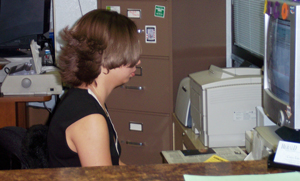 As someone who regularly works at a computer both at work and at home, sedentary activity is a part of my daily life. Unfortunately, my desk is the standard kind that requires me to sit on a chair; I can only dream of the kind that has a treadmill to walk and encourage movement as I work. The health consequences of sitting for long periods of time have been covered in research papers and other blogs, but a recent paper highlighted how sitting for extended periods of time can have major health consequences. Continue reading “Stand Up and Walk; Repeat Often”
