Halloween invites us to look beneath the surface—to find the stories hidden in bones, blood, and the echoes of the past. Science, too, has its own way of conjuring the long dead, not through spells but through DNA analysis. The three Promega Connections blogs highlighted below revisit centuries-old mysteries, using modern genetics to reveal the truths hidden where legend once ruled.
The Bones of a King: Richard III
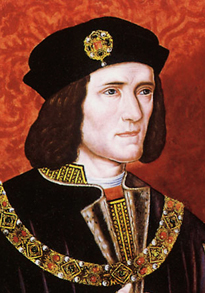
Under a modern car park in Leicester, England, archaeologists uncovered bones twisted by scoliosis and scarred by battle. Could these truly belong to the infamous Richard III? DNA evidence answered with haunting precision in “King Richard III Identified.”
Mitochondrial DNA matched that of a living descendant of Richard’s sister, confirming the king’s identity more than 500 years after his death. Beyond solving a royal mystery, genetic analysis gave historians a clearer picture of the much-maligned monarch—his appearance, stature, and final violent moments. The same technology that identified Richard III may one day reveal the fate of his murdered nephews, the “Princes in the Tower.” Even as bones turn to dust, DNA keeps their stories alive.
The Bones of a Warrior: The Viking Woman of Birka
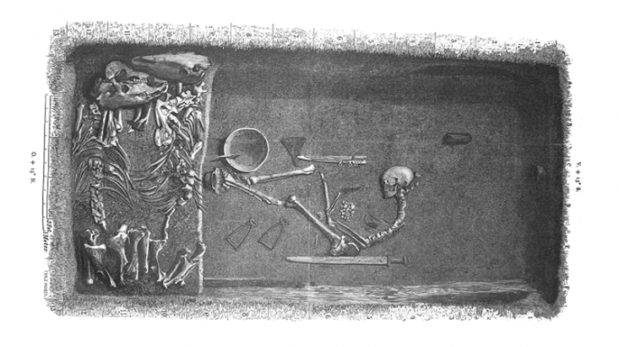
For more than a century, the grave of a Viking warrior near Birka, Sweden, was held as a perfect example of a male warrior’s burial. Weapons, armor, gaming pieces, and two horses accompanied the body—a resting place fit for a fierce fighter. Yet DNA told a very different story in “The Bones Didn’t Lie: DNA Proves Viking Warrior was a Woman.” Genetic sequencing revealed that the skeleton, known as Bj 581, belonged not to a man but to a woman. This finding upended long-held assumptions about gender in Viking culture. The warrior’s remains showed connections to regions across the Viking world—from the British Isles to Scandinavia—suggesting a life spent far from home. In life, she defied convention; in death, her DNA shattered centuries of bias. The bones didn’t lie—they told a story that history had refused to believe.
The Blood of a King: Louis XVI

In “Is It the Blood of Louis XVI?”, scientists traced a trail of royal blood to the chaos of the French Revolution. When Louis XVI met his fate at the guillotine in 1793, witnesses collected his blood-soaked handkerchiefs as tokens of rebellion. More than two centuries later, researchers analyzed one of these relics, hoping to confirm the DNA belonged to him. But the story didn’t end there. Further studies compared the handkerchief’s genetic material with DNA from a mummified head thought to belong to King Henry IV, Louis’s ancestor. What began as a confident identification unraveled into a mystery of mismatched Y-STR profiles and possible royal infidelity. Even centuries later, questions about lineage, loyalty, and legacy still swirl around the House of Bourbon—proof that history’s ghosts rarely rest easy.
The Past Still Speaks
From royal blood spilled in revolution to bones unearthed beneath battlefields and burial mounds, DNA has become the voice of the long-dead. These stories remind us that history is never truly buried—it lingers in every cell, waiting for science to listen. This Halloween, as the veil between past and present feels thin, we’re reminded that even centuries later, the truth still finds a way to rise from the grave.

Riley Bell
Latest posts by Riley Bell (see all)
- Bones and Blood: Uncovering History Through DNA - October 31, 2025
- Matching Luciferase Reporter Assays to Your Experimental Goals - August 5, 2025
- How to Choose a Luciferase Reporter Assay - May 23, 2025