Bones and Blood: Uncovering History Through DNA

Halloween invites us to look beneath the surface—to find the stories hidden in bones, blood, and the echoes of the past. Science, too, has its own way of conjuring the long dead, not through spells but through DNA analysis. The three Promega Connections blogs highlighted below revisit centuries-old mysteries, using modern genetics to reveal the truths hidden where legend once ruled.

The Bones of a King: Richard III
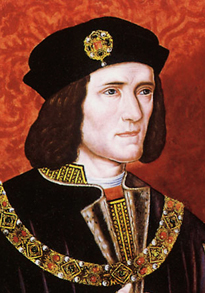
Under a modern car park in Leicester, England, archaeologists uncovered bones twisted by scoliosis and scarred by battle. Could these truly belong to the infamous Richard III? DNA evidence answered with haunting precision in “King Richard III Identified.”

Mitochondrial DNA matched that of a living descendant of Richard’s sister, confirming the king’s identity more than 500 years after his death. Beyond solving a royal mystery, genetic analysis gave historians a clearer picture of the much-maligned monarch—his appearance, stature, and final violent moments. The same technology that identified Richard III may one day reveal the fate of his murdered nephews, the “Princes in the Tower.” Even as bones turn to dust, DNA keeps their stories alive.

Continue reading “Bones and Blood: Uncovering History Through DNA”

Bones: Improved Technology is Bringing Loved Ones Home

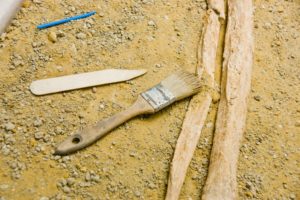
21537407 - archeology, human bones

Today’s Promega Connections blog is written by guest blogger Rachel H. Oefelein, QA Manager/Senior DNA Analyst at DNA Labs International. 

Shakespeare said, “The evil that men do lives after them; the good is oft interred with their bones.”  This is continually true in the case of unidentified remains throughout the United States.  The action of a person going missing or the events leading to an individual’s demise are frequently the memory that haunts a town or the media for years to come. However, for each such case, somewhere lies a set of skeletal remains not yet found, or just as tragic, recovered but still unidentified.  The National Missing and Unidentified Persons System (NamUs) estimates approximately 40,000 sets of unidentified skeletal remains linger in morgues around the country or that have been cremated and buried as Jane and John Does.

Many crime labs do not have protocols in place for the extraction of DNA from skeletal remains or have outdated protocols for bone extraction that are not sensitive enough for poor quality bones. Bones are often recovered from harsh environments and have been exposed to extreme heat, time, acidic soil, swamp, chemicals treatment, etc. These harsh environmental conditions degrade the DNA present in the remains which further complicates the already difficult procedure of releasing the DNA in cells buried deep within the bone matrix. Another challenge is that cases often involve recovery of skeletal remains in areas with animal activity, water recoveries and scenes involving explosions or fires; these case types may require re-association of dozens if not hundreds of bones and bone fragments.

Continue reading “Bones: Improved Technology is Bringing Loved Ones Home”