Bones and Blood: Uncovering History Through DNA

Halloween invites us to look beneath the surface—to find the stories hidden in bones, blood, and the echoes of the past. Science, too, has its own way of conjuring the long dead, not through spells but through DNA analysis. The three Promega Connections blogs highlighted below revisit centuries-old mysteries, using modern genetics to reveal the truths hidden where legend once ruled.

The Bones of a King: Richard III
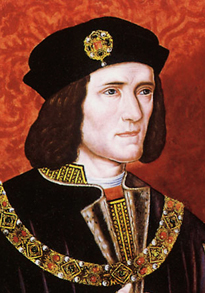
Under a modern car park in Leicester, England, archaeologists uncovered bones twisted by scoliosis and scarred by battle. Could these truly belong to the infamous Richard III? DNA evidence answered with haunting precision in “King Richard III Identified.”

Mitochondrial DNA matched that of a living descendant of Richard’s sister, confirming the king’s identity more than 500 years after his death. Beyond solving a royal mystery, genetic analysis gave historians a clearer picture of the much-maligned monarch—his appearance, stature, and final violent moments. The same technology that identified Richard III may one day reveal the fate of his murdered nephews, the “Princes in the Tower.” Even as bones turn to dust, DNA keeps their stories alive.

Continue reading “Bones and Blood: Uncovering History Through DNA”

Why Do We Love Being Scared? The Science Behind Horror Movies

Haunted mansion with pointed towers in a foggy, moonlit forest, creating a spooky, eerie atmosphere.

There’s something oddly captivating about watching a film that makes you jump, scream, or better yet—a film that sticks with you long after watching. Millions of people embrace the fear, willingly diving into the dark world of horror movies. But why? What is the appeal of subjecting ourselves to terror? The reasons we watch and enjoy scary movies go far beyond the jump scares—they’re deeply psychological.

For those who find themselves covering their eyes or clutching the nearest pillow, it might be hard to understand. Yet, as the hair-raising month of October ends, many people spent the 31 days leading up to Halloween watching films designed to scare the daylights out of them. In this blog, we explore why people enjoy fear (or why they don’t) and what psychology reveals about the movies that truly terrify us.

Continue reading “Why Do We Love Being Scared? The Science Behind Horror Movies”

Don’t Dump your Pumpkin! Post-Halloween Uses

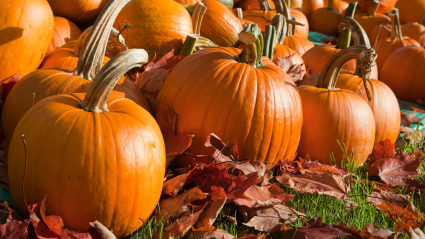
Pumpkins have historically been a sure sign of the Halloween season in the United States. Although they are most used for Halloween, there are many ways to use pumpkins after those spooky October days.

Every year in America, more than 1 billion pounds of pumpkin gets tossed in the trash and wasted. Instead of leaving them to rot in the landfill, try one of these ways to get more use out of your pumpkin after this year’s Halloween!

Hopefully, after reading this list, you are able to revel in the fact that a pumpkin is not just for Halloween. Not only can this help you save money, save time, and cook delicious dishes, but it also takes a much more eco-friendly approach instead of wasting food or creating garbage.

Continue reading “Don’t Dump your Pumpkin! Post-Halloween Uses”

Halloween Costumes: Retro Science Style

“Back when I was in the lab…”: it seems like every former scientist has a story. Kind of like Thanksgiving Dinner among your elderly relatives, scientists are quick to one-up each other with horror stories from our days at the bench—stories that included escape artist rats, a leaky sequencing gel apparatus, and the iconic radioactively contaminated post doc.

We turned to our favorite science cartoonist, Ed Himelblau, to ask for some retro Halloween costumes based on stories of things that used to be common in the lab that don’t seem like such a great idea now. Enjoy…and if you have a few retro horror science costume ideas of your own, please share them.

Continue reading “Halloween Costumes: Retro Science Style”