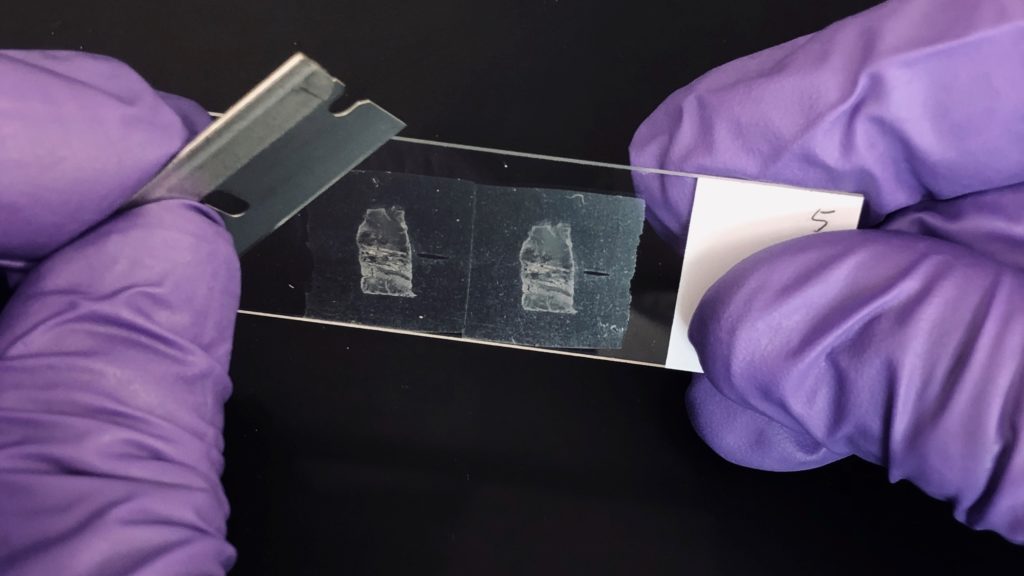
The translational oncology landscape has changed dramatically in the past two decades, and with it, the demands on the laboratories doing this work. Today’s translational oncology workflows require DNA and RNA from the same FFPE tissue section, cell-free DNA from large plasma volumes, and nucleic acids from heterogeneous batches of sample types processed in a single run. The analyte diversity has increased dramatically, and at the same time, the downstream assays interrogating those samples have grown more sensitive. The operational pressures have grown alongside the scientific ones. Labs are processing more samples than ever, but not with proportionally more staff. Same-day extraction to analysis is increasingly the expectation, not the exception. All of that change and complexity lands at the extraction step first.
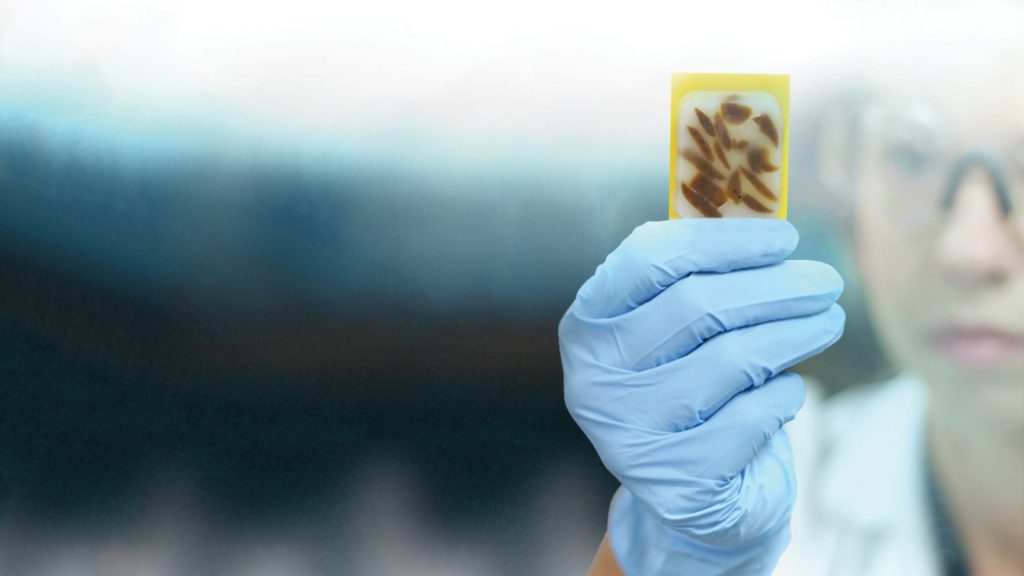
Extraction has long been treated as the step before the experiment, the part you complete before the real work begins. However, as these pressures on the translational laboratory grow, overlooking potential issues with extraction could be disastrous, particularly for labs working with limited, irreplaceable samples, because pre-analytical variability at the extraction step propagates through every downstream process. When extraction is overlooked, information in a sample can be lost and with it the insight into the biological question your downstream assay is asking.
Continue reading “The Hidden Costs of “Good Enough” Extraction”