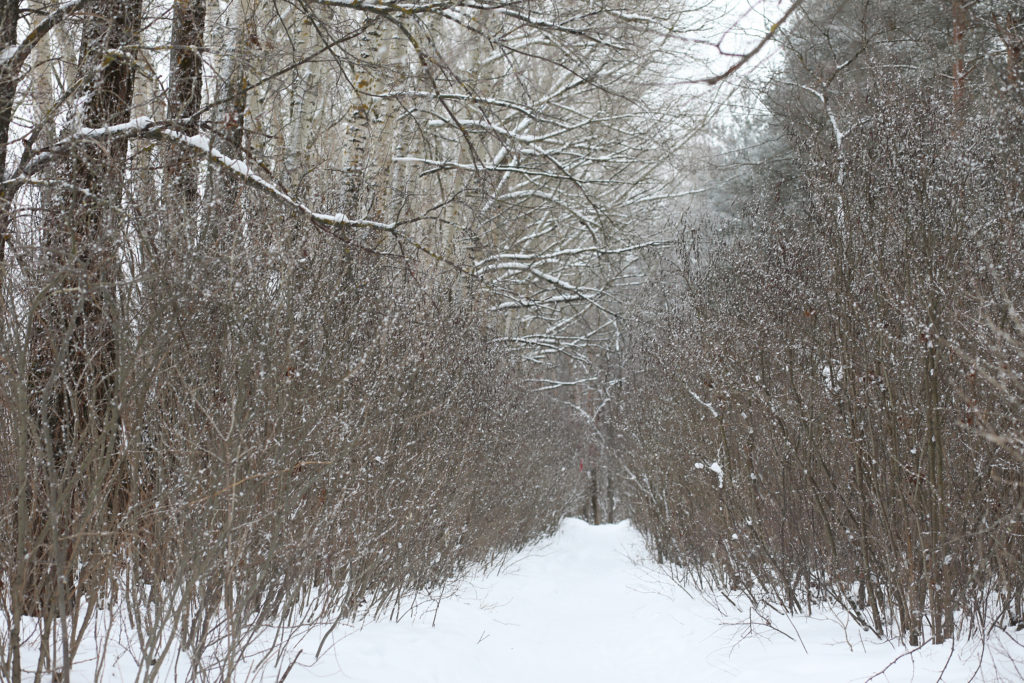
When Wisconsin plunged into a deep freeze during last week’s polar vortex, I built a roaring fire in my fireplace and settled into my armchair with a thick blanket and a video game controller. Except for the twenty minutes I spent driving to and from the office, I stayed warm and toasty.
Birds, however, don’t have it quite as easy. To survive freezing temperatures, non-migratory birds have developed many interesting adaptations. Many species grow extra down layers and huddle together for wind protection. Others, like the black-capped chickadee, use a process called regulated hypothermia to drop their resting body temperature by as much as 22°F to conserve energy. I’m particularly fascinated by the process of regional hypothermia—many species of ducks and gulls use a countercurrent heat exchange system to keep vital organs warm while letting temperatures fall in extremities.
Birds that aren’t accustomed to cold weather don’t have these adaptations, though. When a bird—or any animal—ends up far outside of its natural habitat, the consequences can be deadly.
Continue reading “Goodbye to the Most Famous Bird in Maine”