Polar Bears, Shrinking Sea Ice and a Scientific Surprise

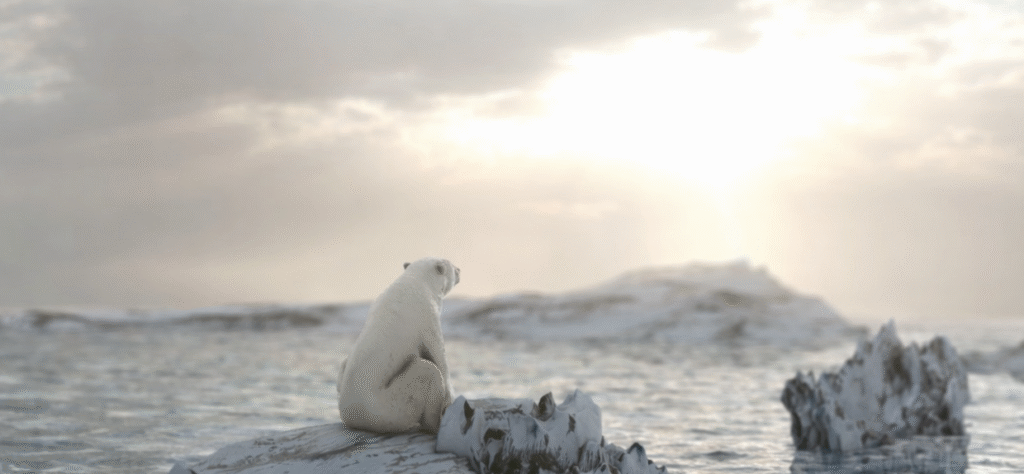
A polar bear sits on a snow-covered ice floe in the Arctic Ocean, gazing toward the horizon as sunlight filters through clouds over icy water.

When you think about climate change in the Arctic, you might imagine melting sea ice or maybe hungry polar bears. After all, polar bears depend on sea ice to hunt seals, and seals are their main source of energy. The negative effects of decreasing sea ice on polar bear body condition index (BCI), survival and reproduction have been documented in polar bear populations from regions such as the Western Hudson Bay and the Southern Beaufort Sea. So, when researchers started studying the polar bears in Svalbard, Norway (Barents Sea region), which is losing sea ice at a faster rate than any other region, they expected the BCI of those bears would also be declining. Except it isn’t.

Continue reading “Polar Bears, Shrinking Sea Ice and a Scientific Surprise”
How do Scientists Connect Extreme Weather Events to Climate Change?

This year ushered in a series of intense weather events that impacted communities across the globe: record-breaking heat waves; super-charged cyclones; intense flooding; coastal waters hitting a balmy 38°C (1–4). Attributing extreme weather to climate change has become the norm when reporting on these seemingly more frequent and intense events. But beyond simply acknowledging weather to be more violent or destructive than it was in the past, how is it that climate experts are able to determine if increasing greenhouse gas levels are the culprit behind these extreme weather events? The answers can be found in climate attribution science.

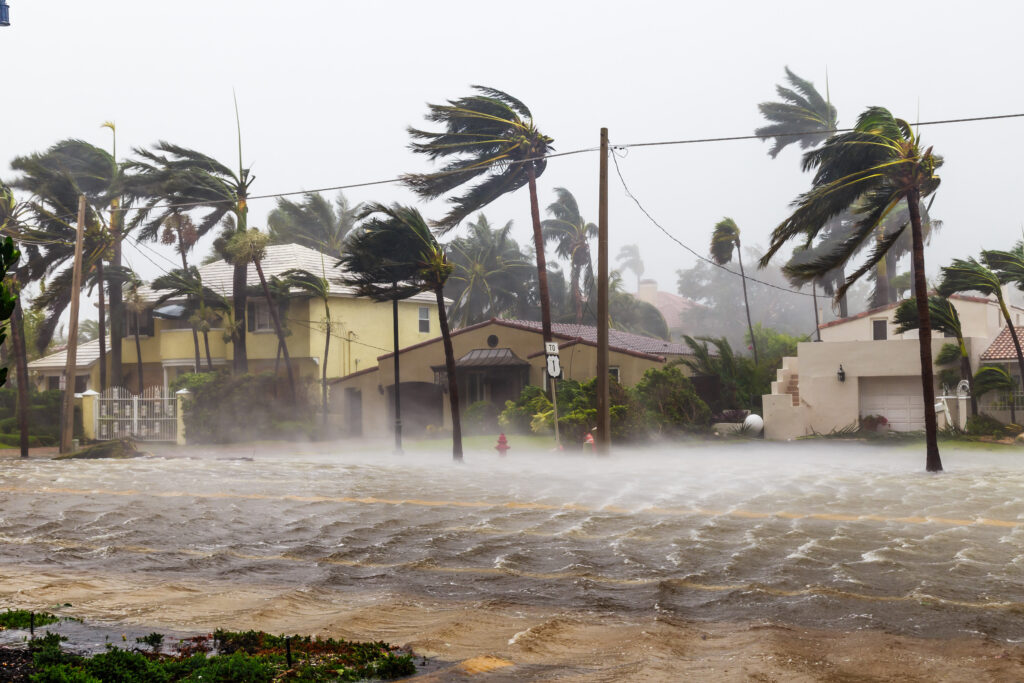
Waves are whipped up on a flooded street while palm trees are bending under the force of the wind during hurricane Irma.
Attribution studies have shown that climate change increased the amount of rainfall during Hurricane Irma, a particularly intense 2017 hurricane (5).
Continue reading “How do Scientists Connect Extreme Weather Events to Climate Change?”

Making Sense of Climate Change

Earlier this year, I had an opportunity to attend a virtual talk presented by leading climate scientist and communicator Dr. Katharine Hayhoe. She began by asking the audience to send in one word that describes how they feel when thinking about climate change. The responses popped up live in a word cloud on Hayhoe’s shared screen:

Anxious

Frozen

ARGHH!

Those words also describe how I felt when I realized the conclusion to my series of blogs on the 2021 Nobel Prizes would address the topic of climate change.

Continue reading “Making Sense of Climate Change”

Fighting Extinction: Komodo Dragons At Risk

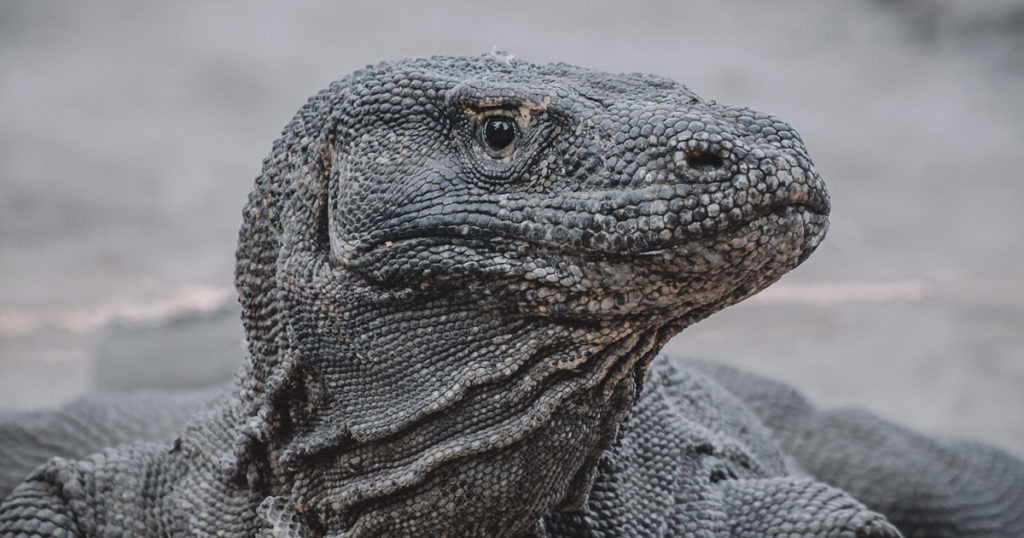
Komodo Dragons are not only the largest lizard on Earth but also one of the most ferocious species with a fearsome reputation. The carnivorous beast can grow up to 10 feet long and can detect flesh from miles away. However, the Komodo Dragon’s serrated teeth, armored scales, and venom-laced saliva are still being outmatched by its biggest competitor: extinction.

The Komodo Dragon was previously named a “vulnerable” species by the conservation organization before being reclassified as “endangered.” There is hope that this change in status will encourage policymakers and conservation groups to strengthen and expand protections.

25 years ago, there were somewhere between 5,000 and 8,000 Komodo Dragons. Today, there are an estimated 1,380 adults and 2,000 juveniles in the wild. The Komodo Dragon is moving towards extinction.

Continue reading “Fighting Extinction: Komodo Dragons At Risk”

Anti-Cancer Drugs Are Pro-Coral

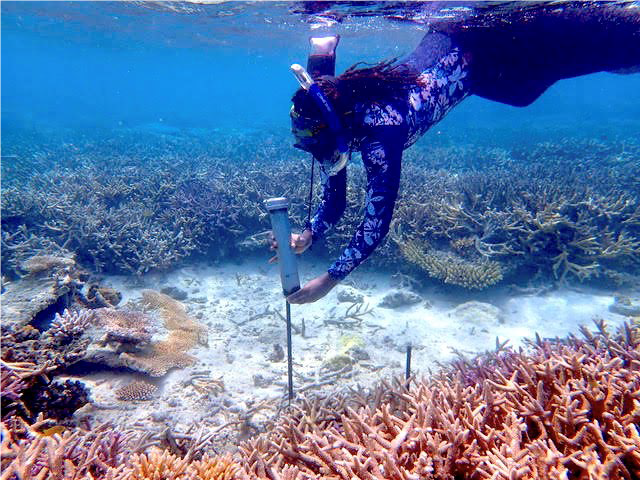
With average sea surface temperatures increasing around the world, coral bleaching events are growing in extent and severity. More than two thirds of the corals in the Great Barrier Reef, the world’s largest coral reef, have already bleached. While the physiological consequences of coral bleaching are well-studied, we still don’t fully understand how bleaching happens on a cellular level.

Corals living on shallow patch reefs in Palau. The Palau International Coral Reef Center is the staging ground for the research on mechanisms allowing corals to thrive in warming waters.

Steve Palumbi at Stanford University is delving deeper into the mechanisms by which coral bleaching occurs. In 2018, Promega pledged $3 million over three years to the nonprofit Revive & Restore Catalyst Science Fund, to identify and develop advanced techniques for conservation, enhancing biodiversity, and genetic rescue. Palumbi was awarded the first grant from this fund to study the genomic stress trigger that causes corals to bleach in warming oceans.

Continue reading “Anti-Cancer Drugs Are Pro-Coral”

Ocean Acidification Turns Sea Cucumbers into Sea Pickles

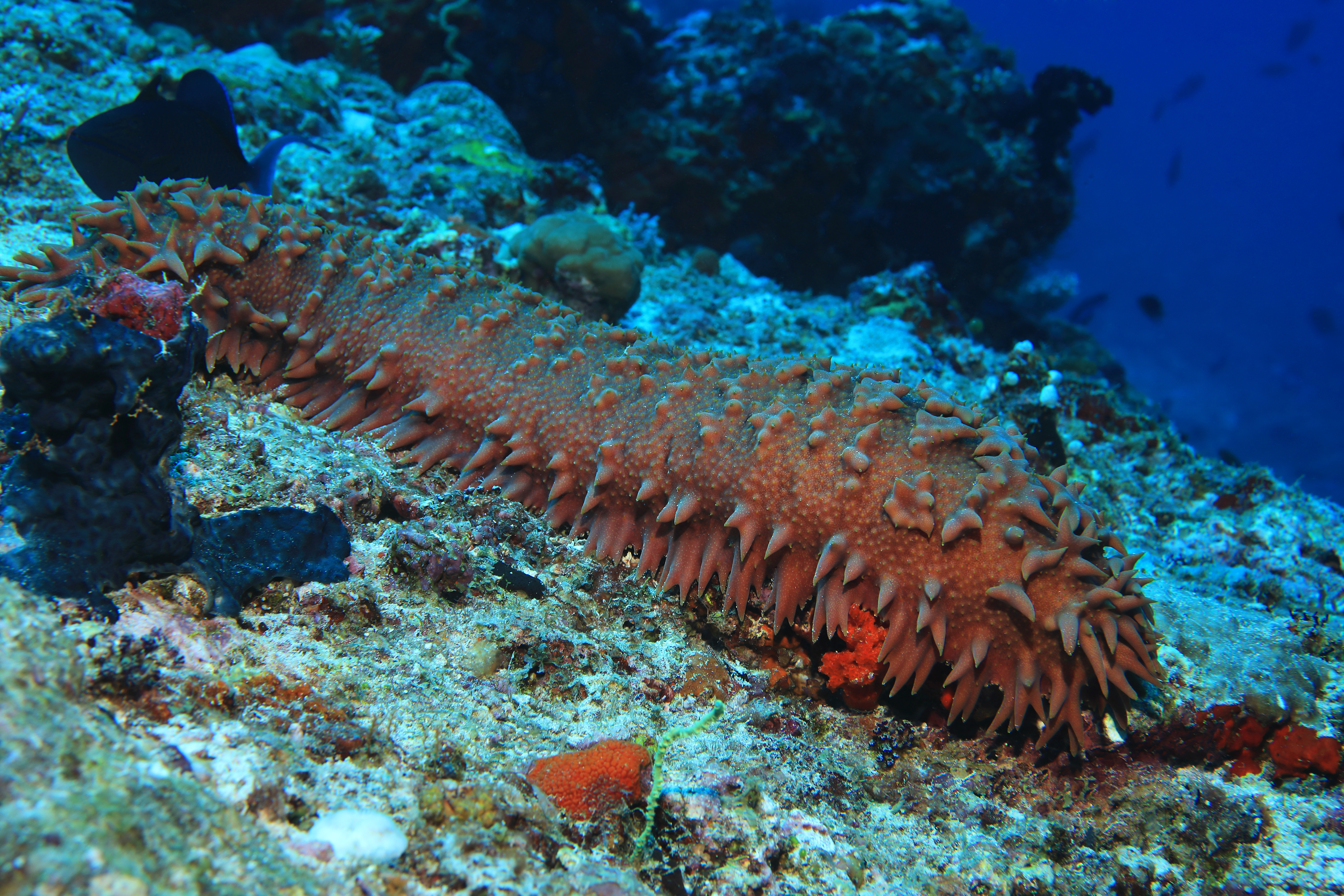
A startling report from researchers in Washington indicates that the increasingly acidic waters of the United States Pacific Northwest are turning sea cucumbers into sea pickles.

Continue reading “Ocean Acidification Turns Sea Cucumbers into Sea Pickles”

My City Flooded, and There’s More to Come

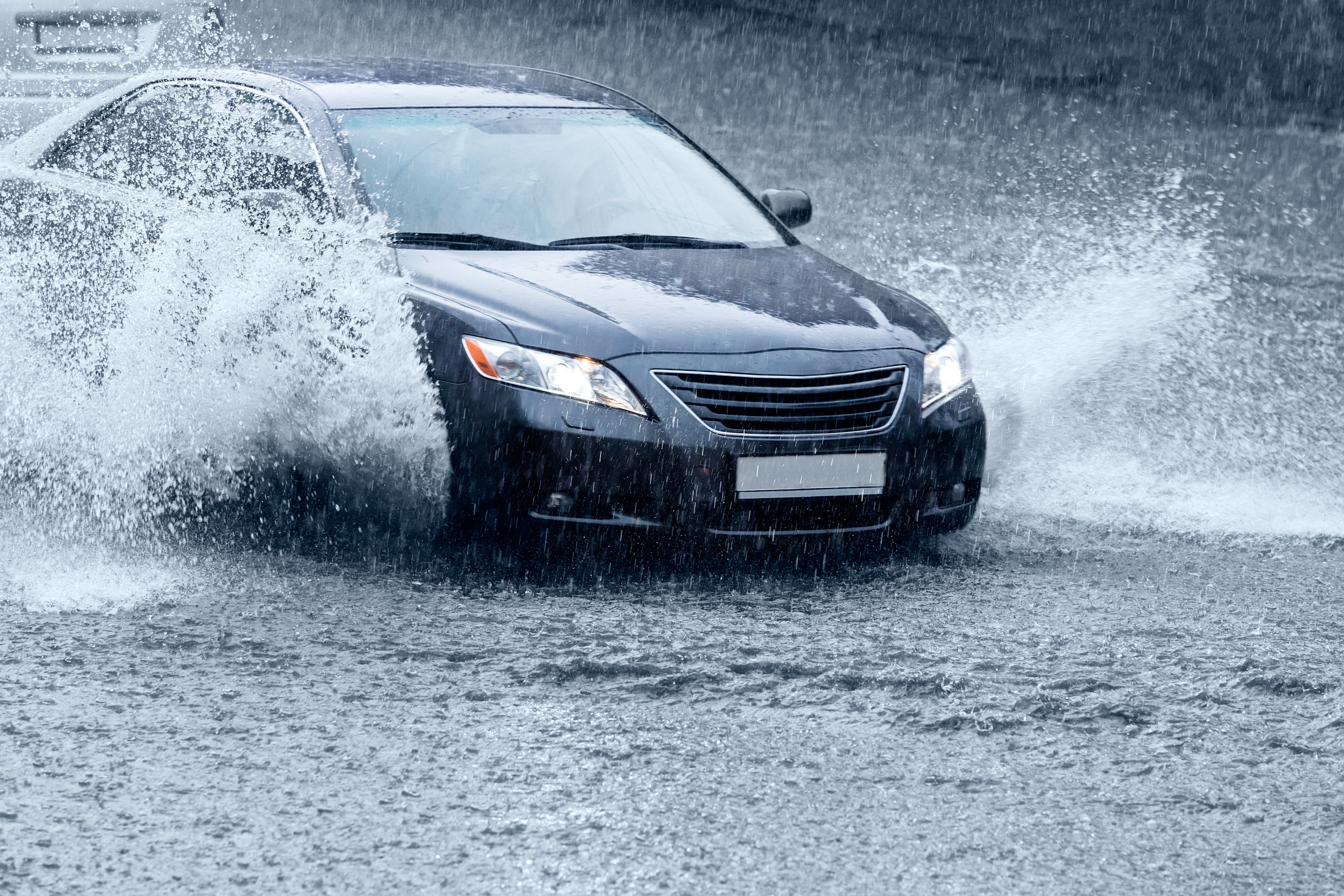
It seemed like the rain was never going to stop. It started in the morning, and when I left work around 5pm, it was still coming down hard. I took my normal route home through a back country road. As I turned right onto Fitchrona Road, a long line of cars came into view. There’s usually some congestion leading to the stop sign ahead. Except today, something was different. About 20 yards of the road ahead was submerged in water. Continue reading “My City Flooded, and There’s More to Come”