From Gum Disease to Breast Cancer: An Oral Bacterium’s Unexpected Journey

You’re sitting in the dentist’s chair, nodding along to the familiar flossing lecture you’ve been politely ignoring for most of your adult life. Fair enough. It’s hard to get excited about gum health. But it turns out your dentist may have been underselling the pitch.

A study published in January 2026 in Cell Communication and Signaling shows that a common gum disease bacterium can promote breast cancer growth and spread in mice, and the findings hint at a particularly troubling link for people carrying BRCA1 mutations (1). “Floss to help prevent cancer” probably wasn’t on your 2026 bingo card, yet here we are.

Continue reading “From Gum Disease to Breast Cancer: An Oral Bacterium’s Unexpected Journey”


Brewing Immunity: The Vaccine Beer Experiment

What if a vaccine didn’t come in a vial or a syringe, but in a pint glass?

It’s the kind of question that sounds hypothetical–something meant to provoke discussion rather than describe a real experiment. And yet, it’s one that a virologist claims to have taken seriously enough to test in his own kitchen.

Since publicly sharing his experiment and preliminary results, the idea of “vaccine beer” has drawn fascination, skepticism and no small amount of discomfort from across the scientific community.

Continue reading “Brewing Immunity: The Vaccine Beer Experiment”

Life on Mars? Proteomic Secrets of Bacterial Survival in Martian Brines

Could bacteria survive on Mars? While images of the red planet might spark thoughts of barren landscapes and lifeless deserts, Mars holds a fascinating possibility: under suitable conditions, pockets of salty, perchlorate-rich brines could temporarily form on or near its surface. These brines are formed by salts that naturally absorb water from their surroundings. By lowering the temperature at which water freezes, these salts can stabilize liquid water, raising intriguing questions about the potential for microbial life. But what exactly would it take for bacteria to survive there? New research from Kloss et al. published in Scientific Reports sheds light on this cosmic question.

Continue reading “Life on Mars? Proteomic Secrets of Bacterial Survival in Martian Brines”

An Unexpected Culprit in Heart Disease? Meet Your Gut Microbes 

For decades, heart disease–particularly atherosclerosis, a condition characterized by the buildup of plaque in the artery walls–has remained the world’s top health challenge despite major medical advances. Cholesterol and high-fat diets have long shouldered the blame, but new research published in Nature uncovers an unexpected suspect: our gut microbes.  

Continue reading “An Unexpected Culprit in Heart Disease? Meet Your Gut Microbes “

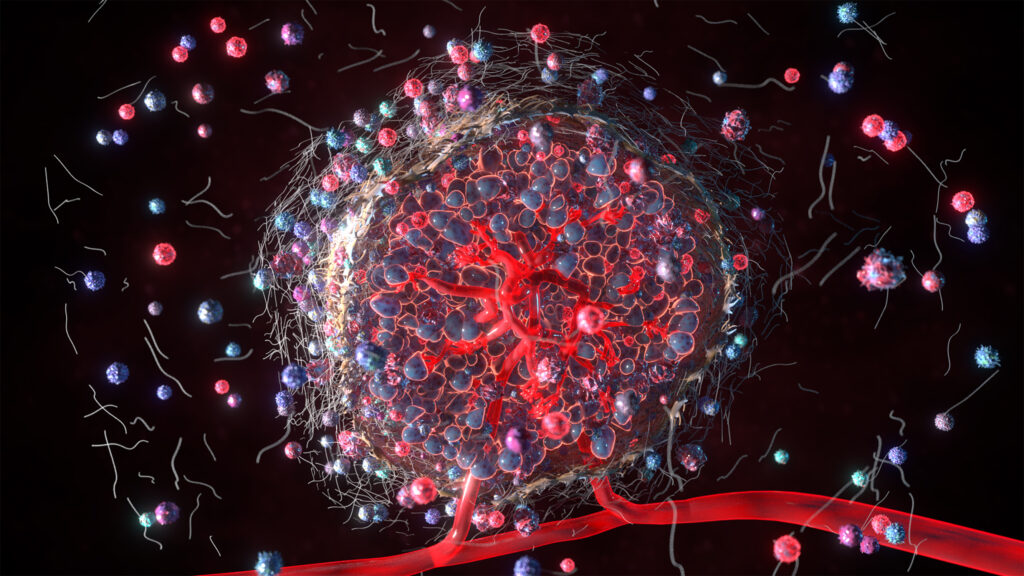
The Hidden Role of the Immune Microenvironment in ER+ Breast Cancer Resistance

Estrogen receptor-positive (ER+) breast cancers are among the most common and treatable forms of the disease. Many patients respond well to a combination of endocrine therapy and CDK4/6 inhibitors—drugs like ribociclib that block the cell cycle and prevent tumor growth. But for up to half of these patients, treatment eventually fails. The tumor adapts and continues to grow, presenting a major barrier to developing more effective, long-term cancer therapies.

Continue reading “The Hidden Role of the Immune Microenvironment in ER+ Breast Cancer Resistance”

Tuberculosis Genome Mapping in Italy: How 2,520 Strains Are Shaping the Future of TB Surveillance

Tuberculosis (TB) remains one of the deadliest infectious diseases globally, with millions of new cases and over a million deaths each year. The rise of drug-resistant strains has only complicated treatment and control efforts, turning TB into a moving target for clinicians and public health officials alike. Understanding how TB spreads, evolves and becomes resistant requires more than just microscopes and cultures—it demands a detailed look at the bacterium’s genetic code.

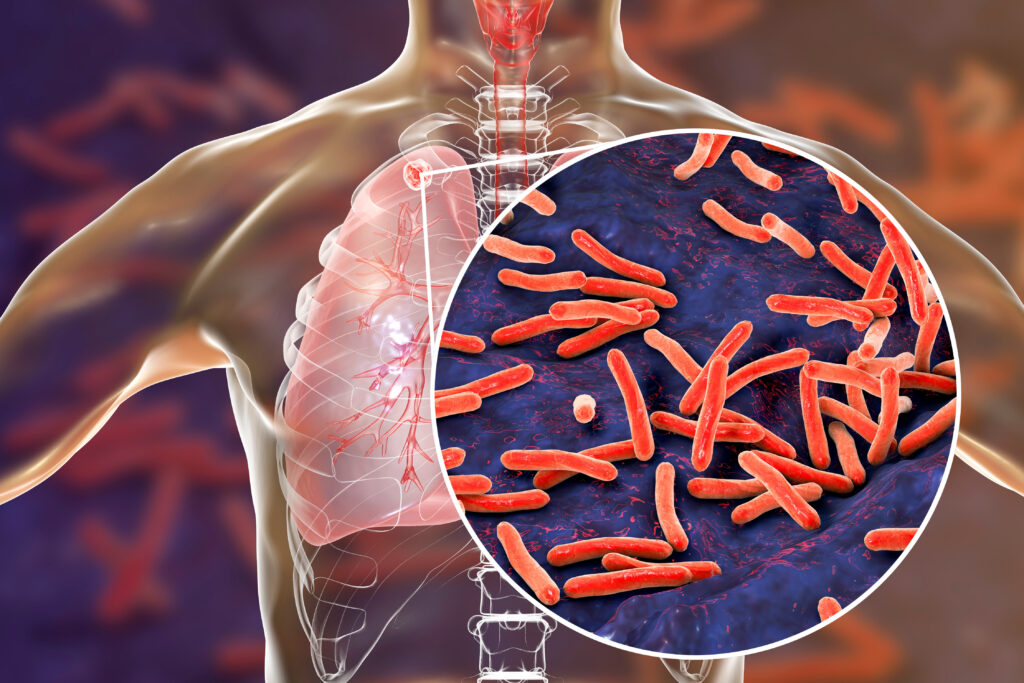
Secondary tuberculosis in lungs and close-up view of Mycobacterium tuberculosis bacteria, 3D illustration
Continue reading “Tuberculosis Genome Mapping in Italy: How 2,520 Strains Are Shaping the Future of TB Surveillance”

The Long Road to a Norovirus Vaccine: How Close Are We?

This winter, norovirus outbreaks surged across the U.S., with cases nearly doubling from last year, according to the CDC. Schools, cruise ships, nursing homes and healthcare facilities saw widespread illness, underscoring the urgent need for a norovirus vaccine.

Each year, norovirus causes 685 million infections worldwide and is the leading cause of foodborne illness in the U.S., responsible for 21 million cases annually. Despite its massive impact, there is still no approved vaccine—but recent advancements suggest that this could change.

Continue reading “The Long Road to a Norovirus Vaccine: How Close Are We?”

Cracking the Undruggable Code: Top 10 Key Takeaways

For decades, the concept of “undruggable” targets has presented one of the most significant challenges in drug discovery. At our recent virtual event, Illuminating New Frontiers: Cracking the Undruggable Code, leading researchers and industry experts gathered to showcase cutting-edge technologies and fresh perspectives that are expanding the boundaries of therapeutic development. Over three engaging days, participants explored groundbreaking advances in targeting RAS signaling, leveraging protein degradation and induced proximity strategies, and exploring RNA as a therapeutic target.

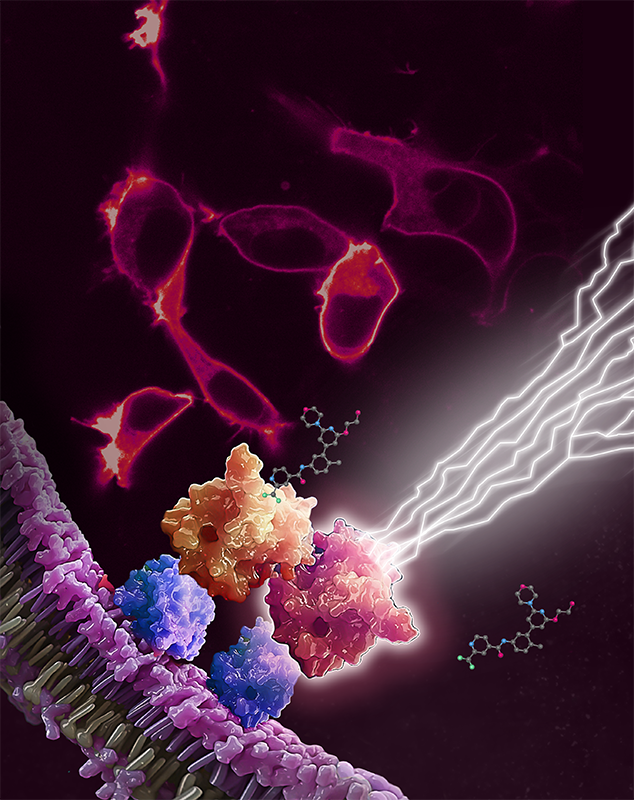
Target engagement of RAF dimer inhibitor LXH254 at RAF kinases, in complex with KRAS (blue). RAF inhibitor LXH254 engages BRAF or CRAF protomers (orange), but spares ARAF (red). Unoccupied ARAF is competent trigger downstream mitogenic signaling (lightning bolts). Red cells in the background are fluorescently labeled RAS proteins, expressed in live cells.
Continue reading “Cracking the Undruggable Code: Top 10 Key Takeaways”

An Introduction to Lyophilization: Process, Benefits & Possibilities

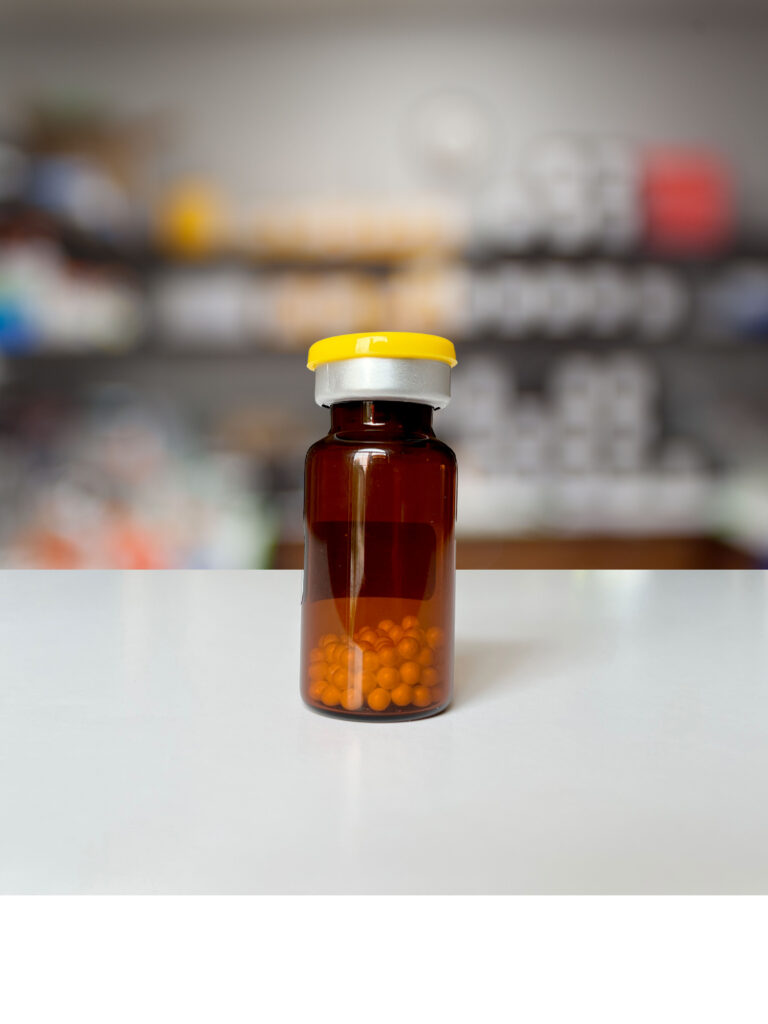
Amber glass bottle filled with lyophilized beads sitting on a lab bench.

Lyophilization is a process designed to remove water from a sample or product through a controlled freezing and vacuum application. The method leverages the triple point of water, where solid, liquid, and gas phases coexist under specific temperature and pressure conditions. The result is a room temperature stable product that is much lighter than the original sample or product.

Continue reading “An Introduction to Lyophilization: Process, Benefits & Possibilities”

COVID-19 and Type 1 Diabetes: Exploring the Potential Link

Prior to the COVID-19 pandemic, the incidence of adolescent type 1 diabetes was steadily increasing at a rate of 1.9% per year in the United States and 3-4% per year in European countries (3,7). Since the pandemic, however, several studies have reported an unprecedented surge in type 1 diabetes in children and teenagers.

Continue reading “COVID-19 and Type 1 Diabetes: Exploring the Potential Link”