The Hidden Switch That Controls Lysosome Function

This image was generated by AI.

Your cells are constantly juggling two opposing needs: breaking things down and building things up. At the heart of that balancing act are lysosomes—tiny, acid-filled compartments that digest worn-out proteins, recycle cellular debris, and help cells decide whether it’s time to grow or conserve energy.

When lysosomes malfunction, the consequences can be serious. Lysosomal storage diseases, neurodegeneration, and metabolic disorders have all been linked to disrupted lysosome function. A new study published in Nature Communications has uncovered a key part of the control system that keeps lysosomes functioning properly.

Continue reading “The Hidden Switch That Controls Lysosome Function”

Tiny Edits, Big Harvests: How a Massive Mutation Screen Could Transform Crop Engineering

What if we could boost crop yields—not by adding foreign genes, but by tweaking the plant’s own DNA in just the right places?

For decades, plant scientists have known that the noncoding DNA flanking a gene—its promoter and regulatory regions—acts like a volume dial, controlling how much protein the gene produces. Adjusting that dial is the premise behind an approach called quantitative trait engineering (QTE), where CRISPR is used to make small, precise changes to these regulatory sequences instead of inserting entire transgenes. The appeal is enormous: nontransgenic edits face fewer regulatory hurdles and are more likely to gain public acceptance.

The problem? We don’t really understand the rules governing plant promoter architecture. Which nucleotides matter? Where can you cut, insert, or swap bases to crank expression up—or dial it down? Previous attempts to answer these questions have been limited in scale and have rarely uncovered gain-of-function mutations that increase gene expression. Now, however, a new study published in Nature Biotechnology suggests we’re closer to that reality than ever before.

Continue reading “Tiny Edits, Big Harvests: How a Massive Mutation Screen Could Transform Crop Engineering”

A Live-Cell NanoBRET Assay Shines Light on Toxic RNA–Protein Interactions in Myotonic Dystrophy

How NanoBRET works image.

RNA doesn’t just carry genetic instructions—it also interacts with proteins to regulate nearly every aspect of gene expression, from splicing to translation. When those interactions go awry, the consequences can be devastating. In myotonic dystrophy type 1 (DM1), the most common adult-onset muscular dystrophy, a toxic RNA repeat expansion hijacks a critical protein called MBNL1, trapping it in nuclear clumps called foci. This leads to widespread splicing defects and progressive muscle wasting. But studying these toxic interactions inside living cells—and finding small molecules that can disrupt them—has been a significant challenge.

A recent study led by the Scripps Institute may have a solution. The study introduces a NanoBRET™ assay that can monitor the interaction between the expanded CUG RNA repeats and MBNL1 protein in real time, in live cells. Their findings demonstrate how this platform can be used not only to detect disease-driving RNA–protein complexes but also to identify small molecules that break them apart.

Continue reading “A Live-Cell NanoBRET Assay Shines Light on Toxic RNA–Protein Interactions in Myotonic Dystrophy”

Your Science in Review: Our Top Blogs of 2025

As we look back on 2025, it’s clear that this year brought incredible innovation, practical solutions, and inspiring stories from labs around the world. From cutting-edge cellular imaging to behind-the-scenes looks at manufacturing, our readers showed us what matters most: tools that work, science that inspires, and stories that connect us to the bigger picture.

Here are the five most popular blogs from 2025:

Continue reading “Your Science in Review: Our Top Blogs of 2025”

Polyserine Targeting: A New Strategy Against Neurodegeneration

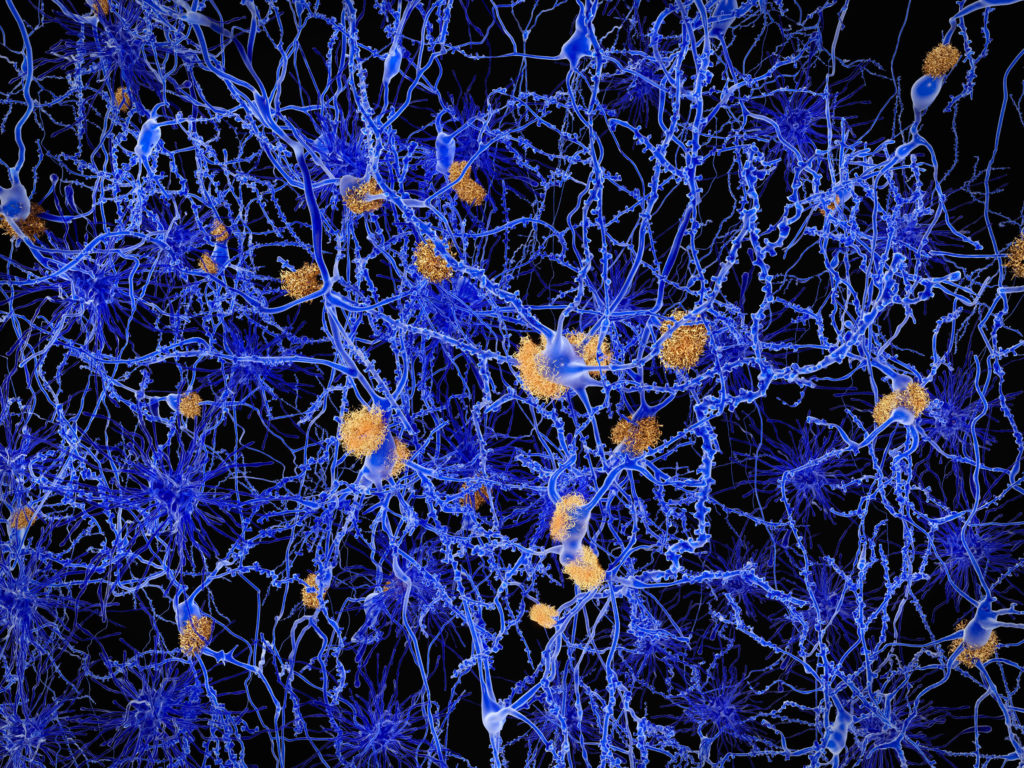
Neurodegenerative diseases like Alzheimer’s are marked by the accumulation of misfolded proteins that wreak havoc on neurons. One of the most notorious culprits is tau, a structural protein that, in its diseased form, clumps together into aggregates that spread throughout the brain. These aggregates interfere with normal cellular processes, leading to memory loss, behavioral changes, and other devastating symptoms. Preventing tau aggregation is therefore a key strategy for slowing the progression of these symptoms.

What if we could recruit molecular “helpers” to stop tau from accumulating?

Continue reading “Polyserine Targeting: A New Strategy Against Neurodegeneration”

How Computational Design Can Predict the Next Viral Variant—and Help Us Prepare

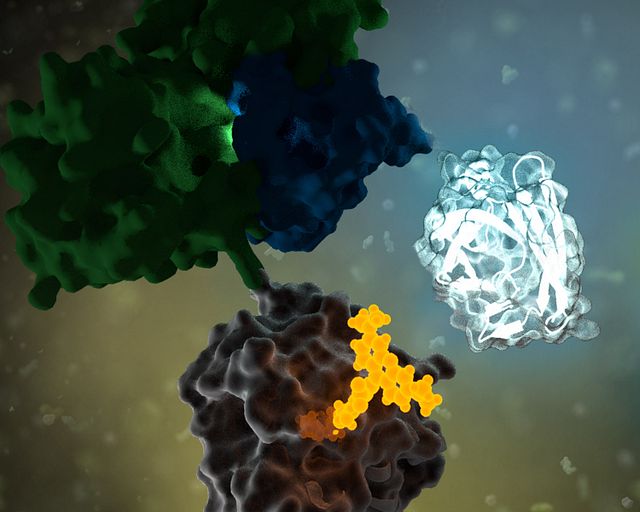
As SARS-CoV-2 continues to evolve, one lesson is painfully clear: immunity today may not guarantee protection tomorrow. Viruses are experts at mutating into countless variants to evade detection or neutralization by the immune system. In the race to keep up with this “immune escape”, researchers have largely focused on reactive strategies—testing vaccines against variants that already exist. But what if we could flip the script and anticipate where the virus is going next?

That’s precisely the aim of a new study published in Immunity. This study introduces EVE-Vax, a computational design platform that builds synthetic spike proteins capable of mimicking immune escape mutations—before they naturally arise.

Continue reading “How Computational Design Can Predict the Next Viral Variant—and Help Us Prepare”

Seeing Signals in a New Light: Far-Red Chemigenetic Biosensors Illuminate Kinase Activity

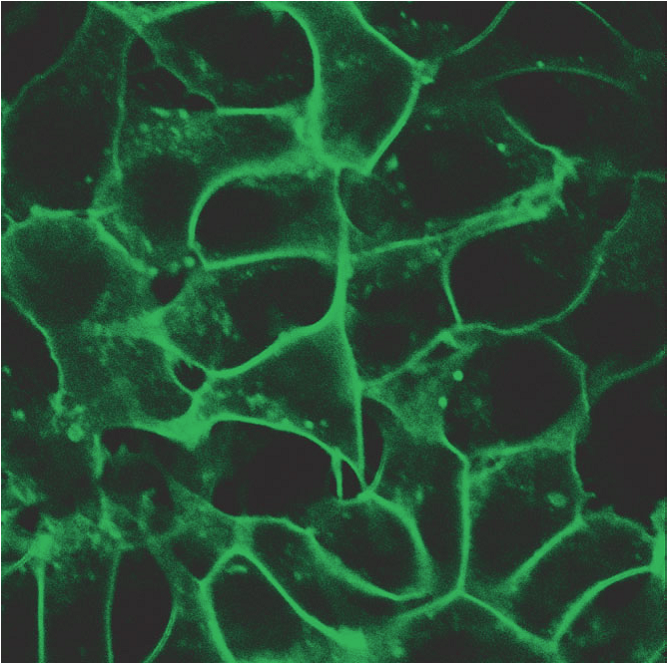
Cell signaling is a finely tuned process where both timing and spatial context play essential roles. Whether it’s a hormone triggering a cellular response or a drug modulating a pathway, these processes unfold in dynamic, spatially organized ways. To study them, researchers rely on chemigenetic biosensors—genetically encoded tools that light up in response to molecular activity. However, traditional biosensors are constrained by several limitations: poor photostability under prolonged imaging, limited spectral flexibility for multiplexing, and insufficient spatial resolution for studying signaling events at subcellular scales.

Continue reading “Seeing Signals in a New Light: Far-Red Chemigenetic Biosensors Illuminate Kinase Activity”

Microfluidic Organoids Could Revolutionize Breast Cancer Treatment

Breast cancer is the most common tumor among women worldwide and has a profound impact on individuals and society. Aside from being a leading cause of cancer-related death, patients often undergo invasive treatments such as surgery, radiation, and chemotherapy, which may result in long-term side effects and reduced quality of life. Additionally, the healthcare burden of breast cancer is immense. This makes effective, timely, and personalized treatments a critical need.

A recent study published in Scientific Reports presents a microfluidic-based method for growing breast cancer organoids that significantly reduces the culture time while maintaining essential structural and drug response characteristics. This method could be the key to developing personalized breast cancer treatments in the future.

Continue reading “Microfluidic Organoids Could Revolutionize Breast Cancer Treatment”

Bacteria From Insect Guts Could Help Degrade Plastic

For the past few decades, plastic pollution has become a serious environmental challenge. Plastic production has continued to increase and there are a variety of plastic polymer types available. Polystyrene (PS) is one of the most widely used plastics due to its durability, strength, and low cost. However, the qualities that make this plastic valuable also make it highly resistant to degradation.

Continue reading “Bacteria From Insect Guts Could Help Degrade Plastic”

A Diabetes Drug, Metformin, Slows Aging in Male Monkeys

Aging is a natural process that occurs in all living creatures, seemingly inevitable and inescapable. Yet, it is a collective dream of humanity to somehow avoid the deterioration caused by old age, including declining brain function, chronic illnesses, and organ failure. For decades, scientists have been exploring ways to slow down the aging process in the hope of extending lifespans and improving the quality of life. Now, we may be closer than ever to finding an answer. It’s called “metformin”.

Continue reading “A Diabetes Drug, Metformin, Slows Aging in Male Monkeys”