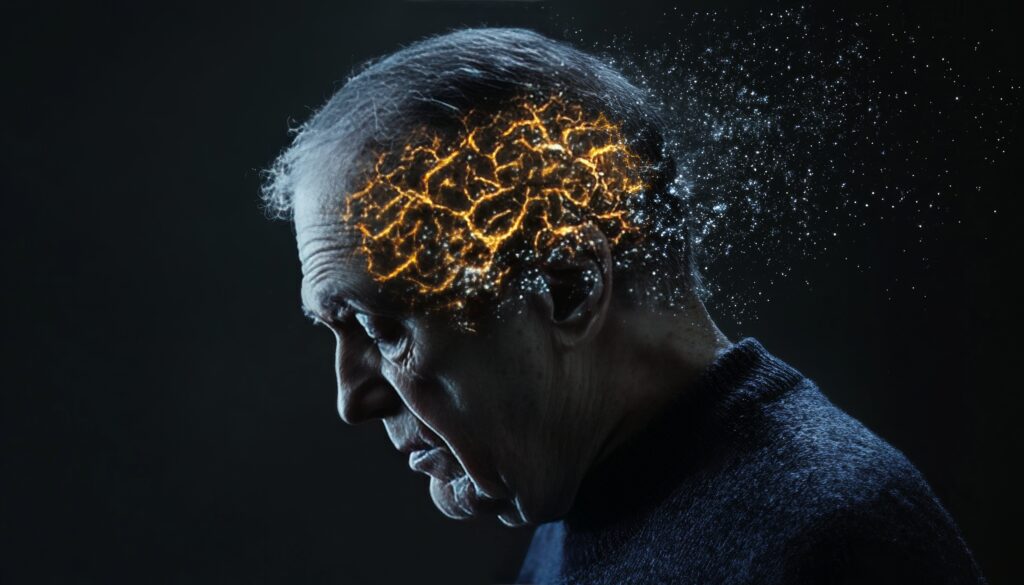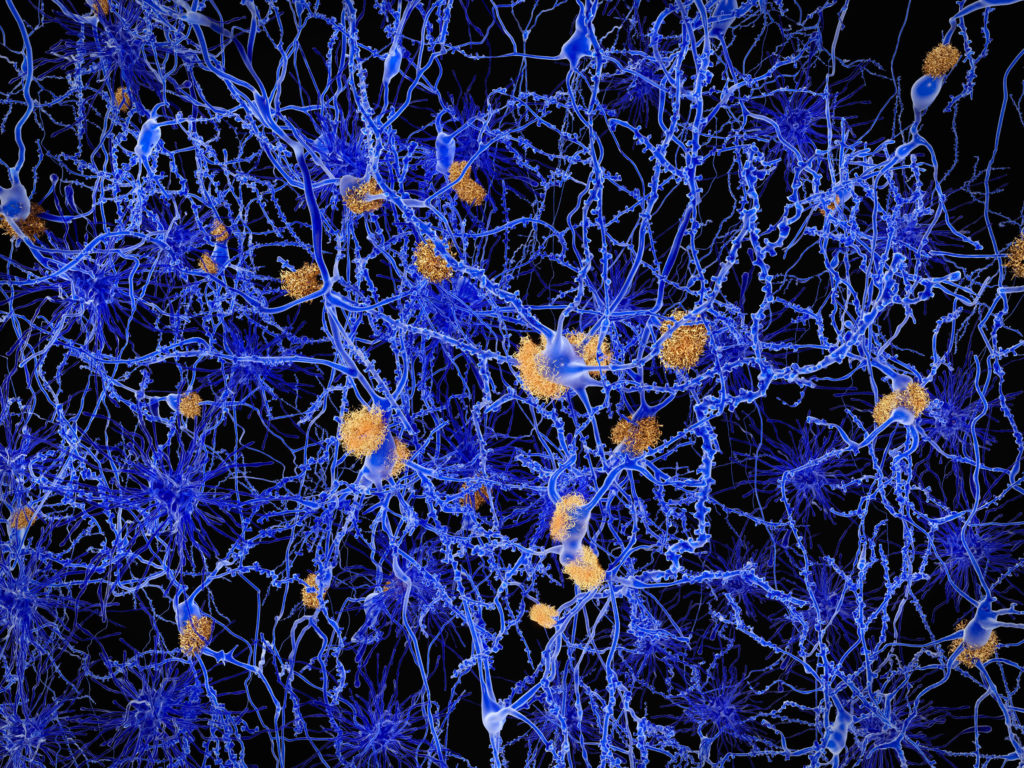
Every neuron relies on a protein called tau to keep its internal skeleton, the microtubule network, working properly. In a group of brain diseases known as “tauopathies,” tau stops doing its job. It misfolds, clumps together, and eventually contributes to the neuron loss that causes memory changes and shifts in behavior. Scientists studying these diseases have long wanted to watch this process unfold from its earliest moments in living human neurons. However, this has been surprisingly difficult.
Continue reading “A New Human Neuron Model for Tau-Targeted Drug Screening”