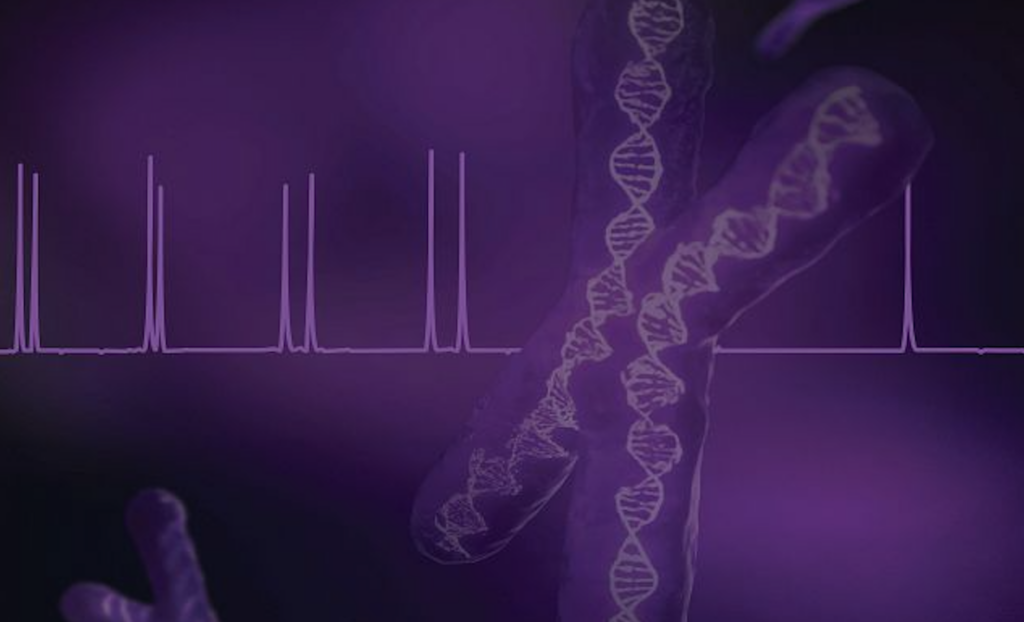
For as long as forensic scientists have run STR profiles through a capillary electrophoresis instrument, they’ve been arguing with a peak that isn’t real.
It shows up one repeat unit smaller than the true allele and it looks enough like a genuine minor contributor that an analyst has to stop and decide if it’s actual evidence. Multiply that decision by every locus in a mixture, every case in a backlog, and you start to understand why stutter has cost forensic labs more time than almost any other artifact in DNA typing.
Continue reading “The Peak That Wasn’t There: How Forensic Labs Have Learned to Live With a 30-Year-Old Problem “