
Light Has a Favorite Color, But It’s Complicated

Last spring, my niece and I made a trip to a home improvement store to put together a Mother’s Day planter for my sister. My niece had a clear vision: my sister’s favorite color is blue, so we were going to buy blue flowers. We walked every aisle of the garden center. We checked the annuals, the perennials, and the hanging baskets then left with purple, red, and a grumpy 7-year-old.

It turns out we were not up against a bad selection. We were up against biology.

The Problem with Blue

Blue is one of the rarest colors in the natural world. The food industry is currently finding that out the hard way. There is a good chance you have eaten something blue today. Maybe it was the frosting on a birthday cake, the coating on some M&M’s® candies, or the sports drink in your refrigerator. That blue almost certainly came from a petroleum-based synthetic dye, and for the first time in decades, the food industry is being asked to find something better.

The FDA banned Red Dye No. 3 in January 2025, and pressure has been building around the remaining synthetic dyes ever since, including Blue No. 1 and Blue No. 2. Major food brands have begun announcing plans to reformulate.

There is just one problem. Blue is genuinely, stubbornly hard to make in nature. It turns out that blue has almost nothing to do with color, and almost everything to do with light.

Continue reading “Light Has a Favorite Color, But It’s Complicated”
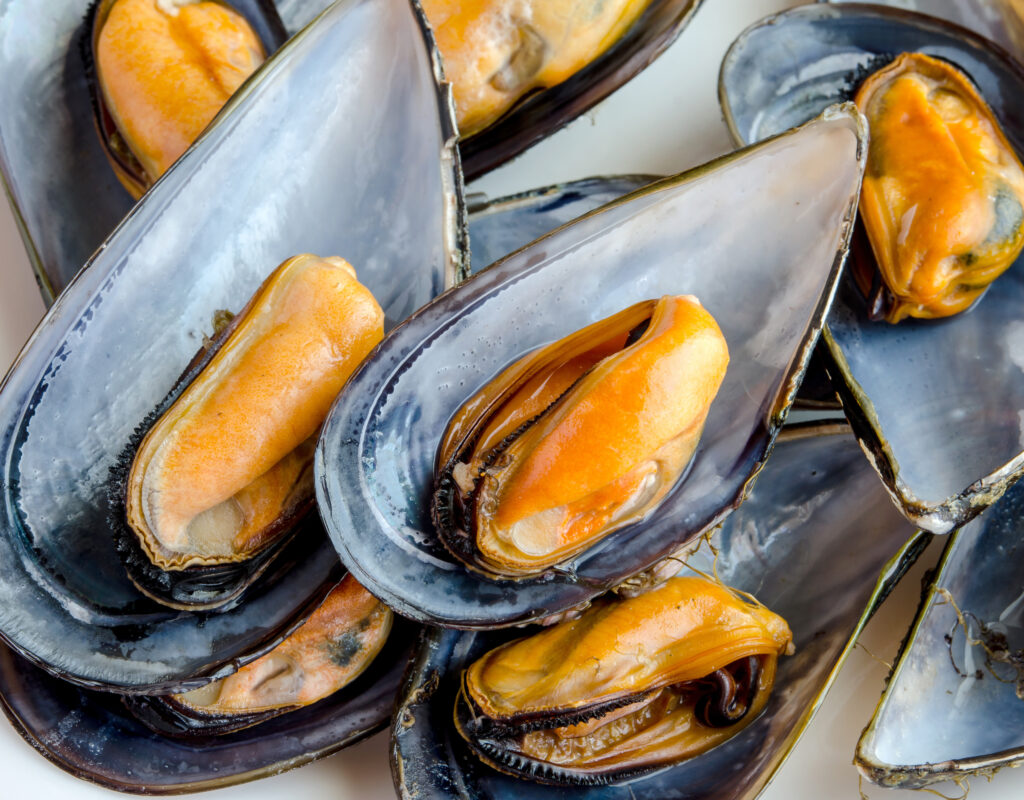
What’s Hiding in Your Mussels? 

mussels

Fresh mussels might be a delicacy in many parts of the world, but a new study from Italy suggests they could also be carriers of something much less appetizing: infectious viruses and antibiotic resistance genes (ARGs). Published in Food and Environmental Virology, Venuti et al. (2025) investigated 60 mussel batches originating from the Campania (Southern Italy), Lazio and Puglia regions—and what they found raises important questions about food safety and environmental monitoring. 

Continue reading “What’s Hiding in Your Mussels? “

Promega Scientific Applications: Expertise to Optimize Your Workflow

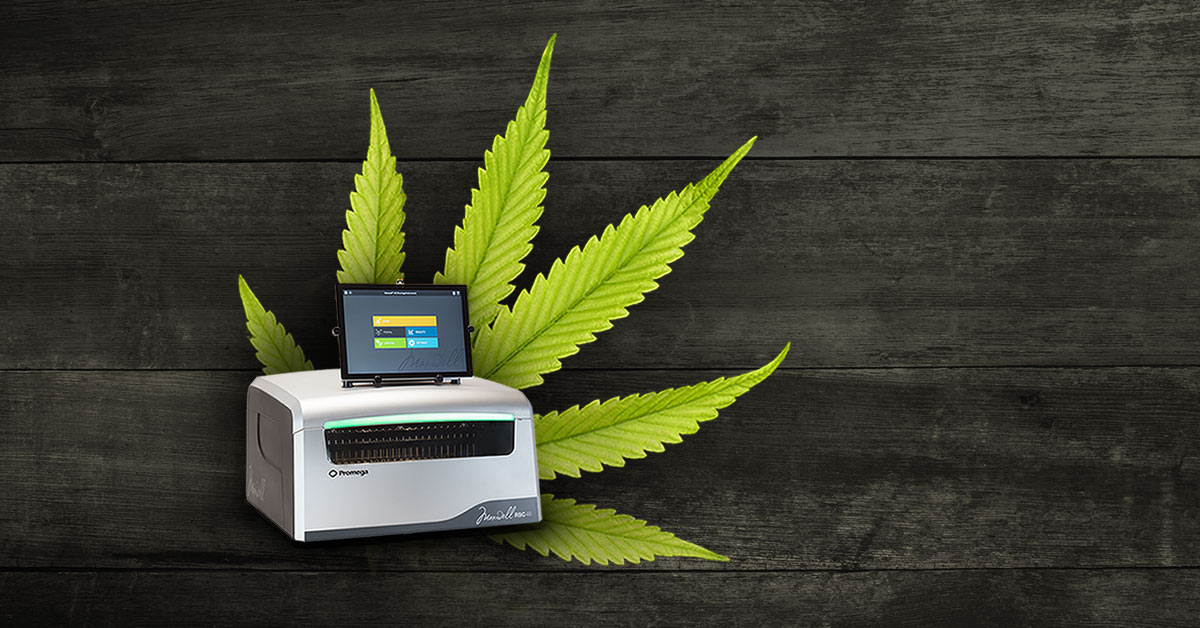
Molecular biology protocols are being applied by the cannabis industry to ensure safety and improve production.

How many times have you encountered a technical problem in your work that you needed to solve? Maybe it was an issue of workflow efficiency—too many samples, but too little time for hands-on work. Or maybe there wasn’t a technology available for what you needed to accomplish, and you didn’t have time to develop something yourself. Or still, maybe you were starting into a new research area and didn’t yet have the expertise to solve the problem. Wouldn’t it be nice if you had some support to figure out a solution for these challenges? We have scientists at your service! You may already know about our top-notch team of Technical Services Scientists. They can assist you via phone, email, or chat to walk you through any technical issue, regardless of whether or not you’re using Promega products (not too many companies can say that!).

We go beyond that level of assistance with the expertise of the Scientific Applications team.

Continue reading “Promega Scientific Applications: Expertise to Optimize Your Workflow”
