Your Media Choice Might Be Designing Your T-Cell Fate

Why Metabolism Matters in T-Cell Expansion
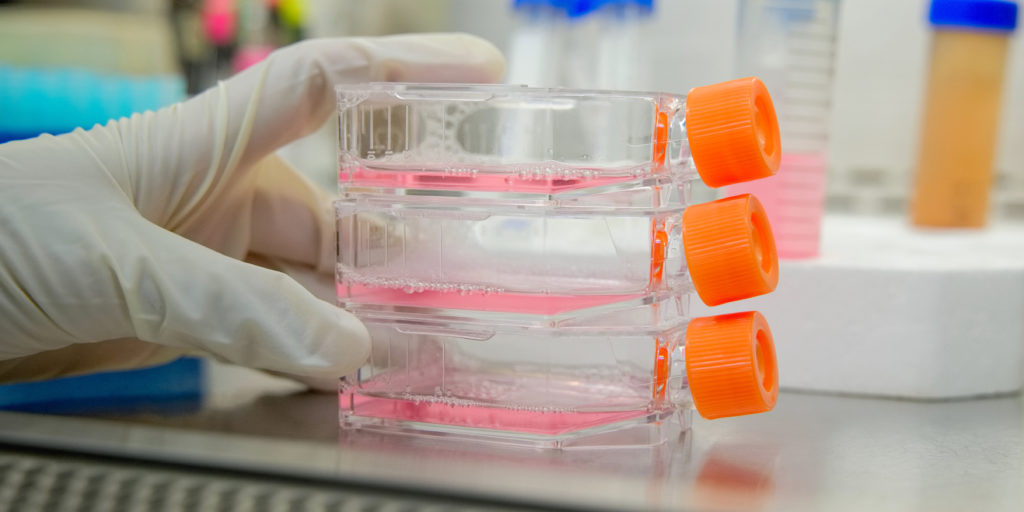
Adoptive T-cell therapies rely on generating metabolically fit, functional cells during ex vivo expansion—but this process often pushes T cells toward highly glycolytic, terminally differentiated states that limit their persistence and therapeutic potential. These metabolic programs begin shifting within hours of activation, therefore understanding early metabolic remodeling is essential for designing culture conditions that support durable, cytotoxic, and memory-enriched T-cell populations.

Researchers at Promega set out to address this challenge by systematically mapping how media composition and activation strength shape T-cell metabolism during the first 72 hours after stimulation. Using a suite of bioluminescent assays, they profiled intracellular energy cofactors, redox balance, and extracellular metabolites across several conditions. This approach revealed distinct, media-driven metabolic states that not only emerged early but also predicted downstream expansion, proliferation, and cytotoxic function.

Their work demonstrates how integrating metabolic profiling into in vitro expansion workflows can provide a more informed framework for optimizing T-cell manufacturing strategies.

Continue reading “Your Media Choice Might Be Designing Your T-Cell Fate”


Deciding What to Share: Evaluating Content in a Self-Publishing World

A BuzzFeed News analysis of “news” stories during the final three months of the 2016 US presidential campaign revealed that on Facebook, the 20 top-performing fake-news stories from hoax sites and hyper partisan blogs generated 8,711,000 instances of engagement (shares, reactions, or comments) while the 20 top-performing stories from news web sites generated 7,367,000 instances of engagement (1). Basically fake news generated 1.5 million more responses than real news.

This is particularly concerning given that a Pew Research study from July 2016 indicated that 63% of Americans say that family and friends are an important way they get news—they get their news from their social networks (online or offline) rather than from vetted broadcast or print media (2), and 54% of people asked in this same study responded that they “sometimes” or “often” received news from social networking sites such as Facebook or Twitter.

I too must confess that quite often it’s a tweet or a Facebook post that alerts me to a news story or world event. Often it’s even a tweet or a post that leads me to the latest science news. I can’t remember the last time I deliberately watched the 6:00 news, though it was a staple in my house when I was growing up.

So what does all of this mean for science communication, science literacy and a basic understanding of what is really going on in the world?

Continue reading “Deciding What to Share: Evaluating Content in a Self-Publishing World”