How The OceanOmics Centre is Using the Maxwell RSC to Scale eDNA Biodiversity Monitoring

This blog is written by guest blogger Ben Rushton, Application Specialist/Territory Manager at Promega Australia.

When you’re monitoring marine biodiversity at scale, every drop of seawater tells a story. At Minderoo OceanOmics Centre at the University of Western Australia, scientists are uncovering that story through environmental DNA (eDNA)—and automation is helping them listen more clearly.

Laura Missen, a Scientific Officer at OceanOmics Centre, shares how automating their DNA extraction workflow with the Maxwell® RSC 48 system has transformed how they gather and interpret data from marine ecosystems.
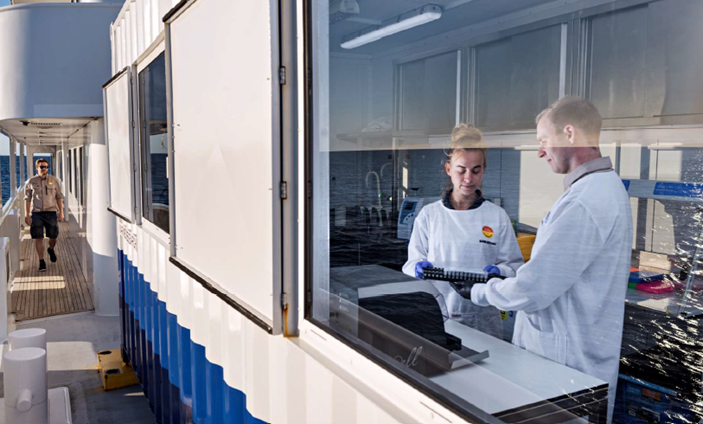
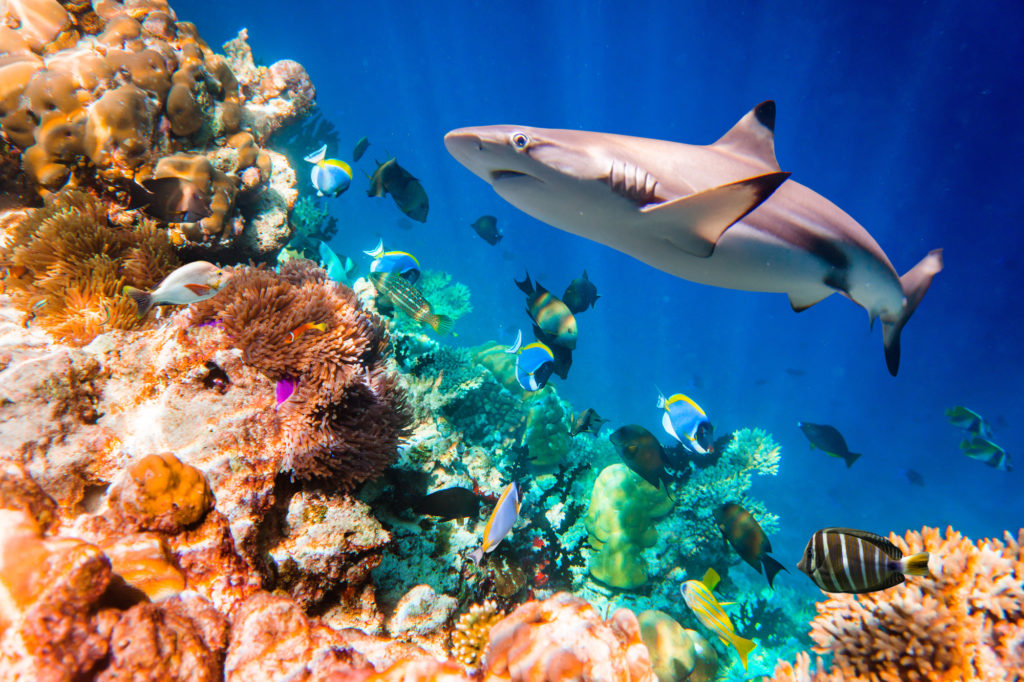
(Image credit: Giacomo d’Orlando / Ronin_Lab)
Continue reading “How The OceanOmics Centre is Using the Maxwell RSC to Scale eDNA Biodiversity Monitoring”

Using Environmental DNA to Find Sharks

Sharks are often known as one of the fiercest predators in the ocean. Yet they are also one of the most threatened marine species—largely because they are hunted by humans for their highly valuable fins. How do we know they are being threatened?

Traditionally, researchers have estimated the population and diversity of sharks using two methods. One is by sending divers into the water to count the number of sharks and record which species they see. Another is to set up baited cameras in different locations to record the sharks that come near. When fewer species of sharks are examined using these methods, we conclude that there is a decrease in diversity and an increase in what’s called “dark diversity”.

Continue reading “Using Environmental DNA to Find Sharks”
