Targeted Protein Degradation: How Chemoproteomics and Induced Proximity Are Shaping Drug Discovery

Earlier this fall, more than 90 researchers from academia and industry gathered at the Promega Madison campus for the 4th TPD & Induced Proximity Symposium. The event focused on the rapidly advancing field of targeted protein degradation (TPD) and the broader concept of induced proximity—therapeutic strategies that bring two or more proteins into proximity to trigger a specific biological effect. 

This 4th year reflected of the symposium a maturing and diversifying field with chemoproteomics and proteomescale mapping redefining what it means to be “druggable,” while AI and high throughput biology are connecting molecular design to cellular function. Yet the mission remains unchanged—using molecular approaches that leverage the cellular machinery to make progress against targets once deemed “undruggable.” 

Continue reading “Targeted Protein Degradation: How Chemoproteomics and Induced Proximity Are Shaping Drug Discovery”
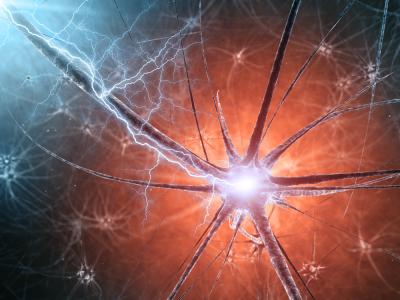

Advancing Neurodegenerative Disease Modeling: A Novel iPSC-Based Luminescence System for Parkinson’s Disease Research

Advancing our understanding of neurodegenerative diseases requires model systems that faithfully recapitulate the biology of human neurons. A recent study by Gandy et al. in the International Journal of Molecular Sciences introduces an innovative luminescence-based platform to explore the role of Parkinson’s disease (PD)-associated genes in living cells. By leveraging human induced pluripotent stem cells (iPSCs) and CRISPR-mediated endogenous tagging, researchers at the Early Drug Discovery Unit at The Neuro (Montreal Neurological Institute-Hospital) at McGill University and Health Canada have created a powerful system for investigating protein expression and function in a physiologically relevant setting.

Continue reading “Advancing Neurodegenerative Disease Modeling: A Novel iPSC-Based Luminescence System for Parkinson’s Disease Research”