In biologics, cell therapy, and targeted protein degradation, the science is moving fast—and so are the tools. From GPCR-targeted therapies to real-time CAR-T manufacturing tools, new techniques are reshaping how scientists approach drug development, live-cell imaging, and protein degradation.
The “Bringing Light to Science”Discover Glo 2025 speaker series brought together researchers from across academia and industry to share real-world examples of how bioluminescent technologies are helping them advance their research. Now available on demand, these sessions offer fresh perspectives and actionable takeaways on the future of therapeutic development, cellular analysis and assay design.
We’ve distilled five key takeaways from the sessions—practical insights you can apply to your own work or use to stay current with where the field is heading.
T cell-based immunotherapies, including CAR-T and TCR-T therapies, have transformed cancer treatment. T cells are a type of white blood cell that plays a central role in the immune system, recognizing and eliminating abnormal or infected cells. These therapies train T cells to attack tumors; however, a major hurdle remains: most lab-grown T cells fail to persist after an infusion in a patient. Despite transferring millions of tumor-targeting cells, many quickly die off, limiting their effectiveness inside the body. But why?
Digestive disorders are a leading cause of mortality worldwide, with diarrhea being particularly deadly. Despite declining mortality rates, diarrhea still causes an estimated 1.65 million deaths annually, with the highest burden in low- and middle-income countries, largely due to poor sanitation and lack of clean water. While acute diarrhea has been extensively studied, less is known about the pathogens responsible for long-lasting digestive issues, including diarrhea and abdominal pain that persist for 14 days or more. A recent study in Scientific Reports offers valuable insights into the prevalence of these pathogens and highlights the importance of advanced molecular diagnostics in addressing this issue.
In the field of cancer research, accurately measuring cell proliferation is crucial for assessing the efficacy of therapeutic agents. This is particularly difficult with CDK 4/6 inhibitors, which arrest cells in the G1 phase without stopping their growth. This continued growth can skew results from proliferation assays which rely on factors that naturally scale with cell growth. These include mitochondrial activity (ATP levels), total cell protein, or mRNA as measured through the PRISM molecular barcoding strategy. Even though these cells are not dividing, the increase in these measurements can misleadingly suggest active proliferation.
There is growing awareness among researchers of these challenges. A recent study highlights these limitations by demonstrating the discrepancies that arise when using metabolic assays to assess cell proliferation after treatment with drugs that induce cell cycle arrest. This blog post delves into the study’s implications and demonstrates how one of Promega’s latest developments is poised to address these challenges.
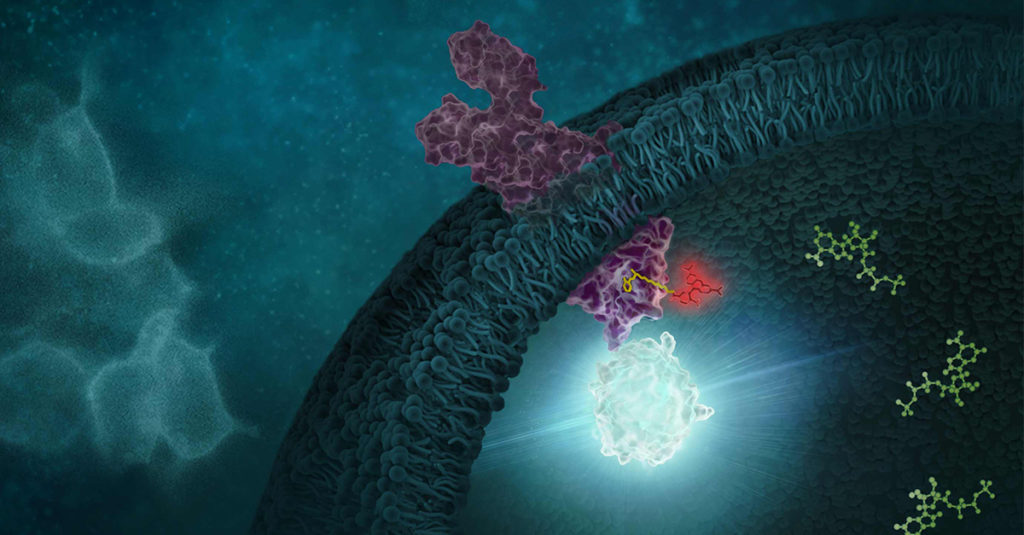
Monitoring and quantifying drug-target binding in a live-cell setting is important to bridging the gap between in vitro assay results and the phenotypic outcome, and therefore represents a crucial step in target validation and drug development (1). The NanoBRET™ Target Engagement (TE) assay is a biophysical technique that enables quantitative assessment of small molecule-target protein binding in live cells. This live-cell target engagement assay uses the bioluminescence resonance energy transfer (BRET) from a NanoLuc® luciferase-tagged target protein and a cell-permeable fluorescent tracer that reversibly binds the target protein of interest. In the presence of unlabeled test compound that engages the target protein, the tracer is displaced, and a loss of BRET signal is observed. Due to the tight distance constraints for BRET, the signal measured is specific to the target fused to NanoLuc® luciferase.
Promega offers over 400 ready-to-use assays for multiple target classes, including kinases, E3 ligases, RAS, and many others. For targets that do not have an existing NanoBRET™ TE assay, Promega offers NanoBRET™ dyes, NanoLuc® cloning vectors, and NanoBRET™ detection reagents to develop novel NanoBRET™ TE assays.
One critical component in the development of novel NanoBRET™ TE assay is the creation of the cell-permeable fluorescent tracers (NanoBRET™ tracers) against the target protein of interest. The tracers are bifunctional, consisting of a NanoBRET™-compatible fluorophore and a target-binding moiety connected by a linker. While the NanoBRET™ 590 dyes have demonstrated consistently robust cell permeability and optimal spectral overlap with NanoLuc® for BRET, a ligand capable of binding to the target protein of interest needs to be identified to generate a NanoBRET™ tracer.
What Are DNA-Encoded Libraries?
DNA-Encoded Libraries, (DELs), have emerged as powerful tools for discovering small molecule ligands to target proteins of interest at an unprecedented scale. . owing to the ability of a DEL to enable the synthesis of larger libraries of compounds and to target proteins without any prior structural knowledge of the proteins or their ligands (2). Because each member of a DEL contains a DNA barcode and a small molecule separated by a linker, DEL is primed for discovering leads within therapeutic modalities that rely on bifunctional chemistry, such as proteolysis targeting chimeras (PROTACs). Since NanoBRET™ tracers are also bifunctional, ligands identified from DEL selections could serve as ideal candidates for developing novel NanoBRET™ tracers that can enable NanoBRET™ TE assays for new targets.
Biologic therapeutics such as monoclonal antibodies and biosimilars are complex proteins that are susceptible to post-translational modifications (PTMs). These chemical modifications can affect the performance and activity of the biologic, potentially resulting in decreased potency and increased immunogenicity. Such modifications include glycosylation, deamidation, oxidation and disulfide bond shuffling. These PTMs can be signs of protein degradation, manufacturing issues or improper storage. Several of these modifications are well characterized, and methods exist for detecting them during biologic manufacture. However, disulfide shuffling is not particularly well characterized for biologics, and no methods exist to easily detect and quantify disulfide bond shuffling in biologics.
Disulfide bonds are important for protein conformation and function
Normally the cysteines in a protein will pair with a predictable or “normal” partner residue either within a polypeptide chain or between two polypeptide chains when they form disulfide bonds. These normal disulfide bonds are important for final protein conformation and stability. Indeed, disulfide bonds are considered an important quality indicator for biologics.
In a recently published study, Coghlan and colleagues designed a semi-automated method for characterizing disulfide bond shuffling on two IgG1 biologics: rituximab (originator drug Rituxan® and biosimilar Acellbia®) and bevacizumab (originator Avastin® and biosimilar Avegra®).
When researchers first identified a new family of seemingly non-functional “junk” RNA molecules, it’s unlikely they could have predicted the power and promise of these nucleic acids. The small, non-coding, single-stranded RNAs – typically 21-25 base pairs in length – were first discovered over 20 years ago in C. elegans, yet they were quickly found to be ubiquitous in species from worms to flies to plants to mammals. The role of these novel RNAs in the regulation of developmental pathways in worms, coupled with their prevalence, inspired researchers to better understand their significance.
We now know that miRNAs (for microRNAs) serve as post-transcriptional repressors of gene expression by targeting degradation of mRNA or interfering with mRNA translation. While small, each can have a big effect; a single miRNA can regulate dozens to hundreds of distinct target genes. They’ve been implicated in a variety of critical cellular processes such as differentiation, development, metabolism, signal transduction, apoptosis and proliferation.
Tissue-specific expression patterns revealed that specific miRNAs are enriched in mammalian tissues including adult brain, lung, spleen, liver, kidney and heart. More compelling was the identification of abnormal miRNA expression in tumorigenic cell lines. It’s no wonder that this growing family quickly became ripe for exploration in disease development.
Research on miRNA is making its way into the clinic.
Within only a few years, a rapidly expanding body of research supported the theory that miRNA expression may indeed play a role in the development of human diseases including cardiovascular disease, cancer, diabetes, cystic fibrosis, and liver disease. Investigations into the expression of miRNAs in cardiovascular disease, in particular, have demonstrated not only their value as disease markers, but also how their dysregulation is linked to disease processes.
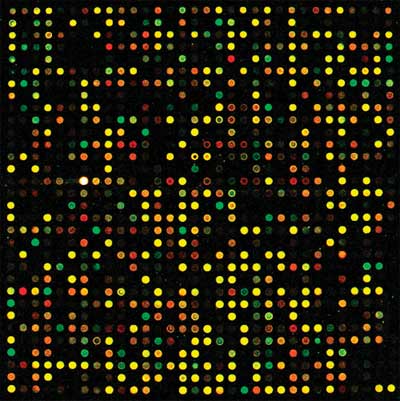
The traditional methods of generating protein arrays require the separate expression of hundreds of proteins, followed by purification and immobilization of the proteins on a solid surface. Cell-Free protein array technology produces protein microarrays by performing in vitro synthesis of the target protein from their DNA templates.
One approach for the generation of cell- free based microarrays is the nucleic acid programmable protein array (NAPPA).
NAPPA uses DNA template that is biotinylated and is bound to avidin that is pre-coated onto the protein capture surface. Newly synthesized proteins which are tagged with GST are then immobilized next to the template DNA by binding to an adjacent polyclonal anti-GST capture antibody. The following references illustrate the use of NAPPA to screen hundreds of proteins. Continue reading “Cell-Free Applications:Protein Arrays (Nucleic Acid Programmable)”
XWe use cookies and similar technologies to make our website work, run analytics, improve our website, and show you personalized content and advertising. Some of these cookies are essential for our website to work. For others, we won’t set them unless you accept them. To learn more about our approach to Privacy we invite you to Read More
By clicking “Accept All”, you consent to the use of ALL the cookies. However you may visit Cookie Settings to provide a controlled consent.
We use cookies and similar technologies to make our website work, run analytics, improve our website, and show you personalized content and advertising. Some of these cookies are essential for our website to work. For others, we won’t set them unless you accept them. To find out more about cookies and how to manage cookies, read our Cookie Policy.
If you are located in the EEA, the United Kingdom, or Switzerland, you can change your settings at any time by clicking Manage Cookie Consent in the footer of our website.
Necessary cookies are absolutely essential for the website to function properly. These cookies ensure basic functionalities and security features of the website, anonymously.
Cookie
Duration
Description
cookielawinfo-checbox-analytics
11 months
This cookie is set by GDPR Cookie Consent plugin. The cookie is used to store the user consent for the cookies in the category "Analytics".
cookielawinfo-checbox-functional
11 months
The cookie is set by GDPR cookie consent to record the user consent for the cookies in the category "Functional".
cookielawinfo-checbox-others
11 months
This cookie is set by GDPR Cookie Consent plugin. The cookie is used to store the user consent for the cookies in the category "Other.
cookielawinfo-checkbox-advertisement
1 year
The cookie is set by GDPR cookie consent to record the user consent for the cookies in the category "Advertisement".
cookielawinfo-checkbox-necessary
11 months
This cookie is set by GDPR Cookie Consent plugin. The cookies is used to store the user consent for the cookies in the category "Necessary".
cookielawinfo-checkbox-performance
11 months
This cookie is set by GDPR Cookie Consent plugin. The cookie is used to store the user consent for the cookies in the category "Performance".
gdpr_status
6 months 2 days
This cookie is set by the provider Media.net. This cookie is used to check the status whether the user has accepted the cookie consent box. It also helps in not showing the cookie consent box upon re-entry to the website.
lang
This cookie is used to store the language preferences of a user to serve up content in that stored language the next time user visit the website.
viewed_cookie_policy
11 months
The cookie is set by the GDPR Cookie Consent plugin and is used to store whether or not user has consented to the use of cookies. It does not store any personal data.
Analytical cookies are used to understand how visitors interact with the website. These cookies help provide information on metrics the number of visitors, bounce rate, traffic source, etc.
Cookie
Duration
Description
SC_ANALYTICS_GLOBAL_COOKIE
10 years
This cookie is associated with Sitecore content and personalization. This cookie is used to identify the repeat visit from a single user. Sitecore will send a persistent session cookie to the web client.
vuid
2 years
This domain of this cookie is owned by Vimeo. This cookie is used by vimeo to collect tracking information. It sets a unique ID to embed videos to the website.
WMF-Last-Access
1 month 18 hours 24 minutes
This cookie is used to calculate unique devices accessing the website.
_ga
2 years
This cookie is installed by Google Analytics. The cookie is used to calculate visitor, session, campaign data and keep track of site usage for the site's analytics report. The cookies store information anonymously and assign a randomly generated number to identify unique visitors.
_gid
1 day
This cookie is installed by Google Analytics. The cookie is used to store information of how visitors use a website and helps in creating an analytics report of how the website is doing. The data collected including the number visitors, the source where they have come from, and the pages visted in an anonymous form.
Advertisement cookies are used to provide visitors with relevant ads and marketing campaigns. These cookies track visitors across websites and collect information to provide customized ads.
Cookie
Duration
Description
IDE
1 year 24 days
Used by Google DoubleClick and stores information about how the user uses the website and any other advertisement before visiting the website. This is used to present users with ads that are relevant to them according to the user profile.
test_cookie
15 minutes
This cookie is set by doubleclick.net. The purpose of the cookie is to determine if the user's browser supports cookies.
VISITOR_INFO1_LIVE
5 months 27 days
This cookie is set by Youtube. Used to track the information of the embedded YouTube videos on a website.
Performance cookies are used to understand and analyze the key performance indexes of the website which helps in delivering a better user experience for the visitors.
Cookie
Duration
Description
YSC
session
This cookies is set by Youtube and is used to track the views of embedded videos.
_gat_UA-62336821-1
1 minute
This is a pattern type cookie set by Google Analytics, where the pattern element on the name contains the unique identity number of the account or website it relates to. It appears to be a variation of the _gat cookie which is used to limit the amount of data recorded by Google on high traffic volume websites.