For a while now I have made a living knitting words, stringing them together with a rhythm and flow to create a finished piece that has some kind of meaning. Recently I started learning how to knit yarn together with a rhythm (ideally) that will bring the loops and knots together into some kind of finished whole that has meaning: a scarf, a hat, a dish rag. And just like the clacking of knitting needles can relax and de-stress you, the clicking of the keyboard when your writing is in rhythm can be a joyful experience.
The rhythm and flow of language is important in all types of writing, including scientific writing. If your language has a consistent rhythm and flow, chances are your reader will be more likely to understand it on a first read.
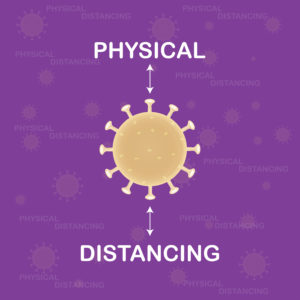
Laboratories can be crowded places. We are used to working around other people, tossing ideas back and forth. Dark rooms, cold rooms and large equipment spaces are often shared by several labs. Some labs have shut down completely in response to the COVID-19 pandemic; others, especially those labs doing research around coronavirus biology, testing and detection and drug development are running continually. For those labs, maintaining the recommended 6-foot (2m) distance to help stem the coronavirus pandemic isn’t easy.
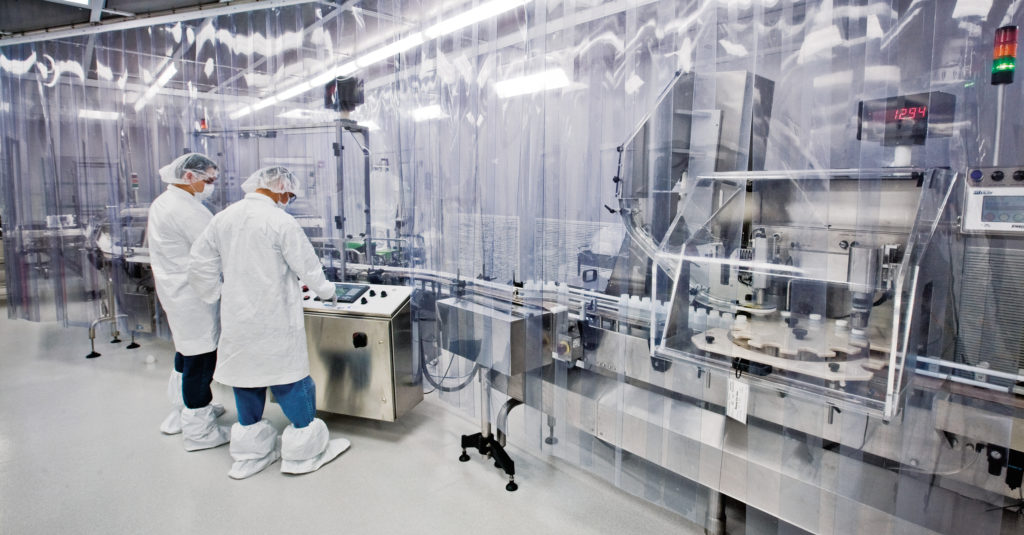
At Promega our operations, quality assurance, applications and research and development labs are up and running—focused on providing as much support as possible to our partners who are studying, diagnosing and developing treatments for COVID-19. At the same time, we are maximizing the safety of our employees. Here are a few ways we have found to maintain critical distances in our laboratory that might help your lab group stay productive and safe too.
This blog was written with much guidance from Jennifer Romanin, Senior Director IVD Operations and Global Service and Support, and Ron Wheeler, Senior Director, Quality Assurance and Regulatory Affairs at Promega.
A Trip Down Memory Lane
Back in the day when we all walked two miles uphill in the snow to get to our laboratories, RNA and DNA extraction were home-brew experiences. You made your own buffers, prepped your own columns and spent hours lysing cells, centrifuging samples, and collecting that fluorescing, ethidium bromide-stained band of RNA in the dark room from a tube suspended over a UV box. Just like master beer brewers tweak their protocols to produce better brews, you could tweak your methodology and become a “master isolater” of RNA. You might get mostly consistent results, but there was no guarantee that your protocol would work as well in the hands of a novice.
Enter the biotechnology companies with RNA and DNA isolation kits—kits and columns manufactured under highly controlled conditions delivering higher quality and reproducibility than your home-brew method. These systems have enabled us to design ever more sensitive downstream assays–assays that rely on high-quality input DNA and RNA, like RT-qPCR assays that can detect the presence of a specific RNA molecule on a swab containing only a few hundred cells. With these assays, contaminants from a home-brew isolation could result in false positives or false negatives or simply confused results. Reagents manufactured with pre-approved standard protocols in a highly controlled environment are critical for ultra sensitive tests and assays like the ones used to detect SARS-CoV-2 (the virus that causes COVID-19).
The Science of Manufacturing Tools for Scientists
There are several criteria that must be met if you are
producing systems that will be sent to different laboratories, used by
different people with variable skill sets, yet yield results that can be
compared from lab to lab.
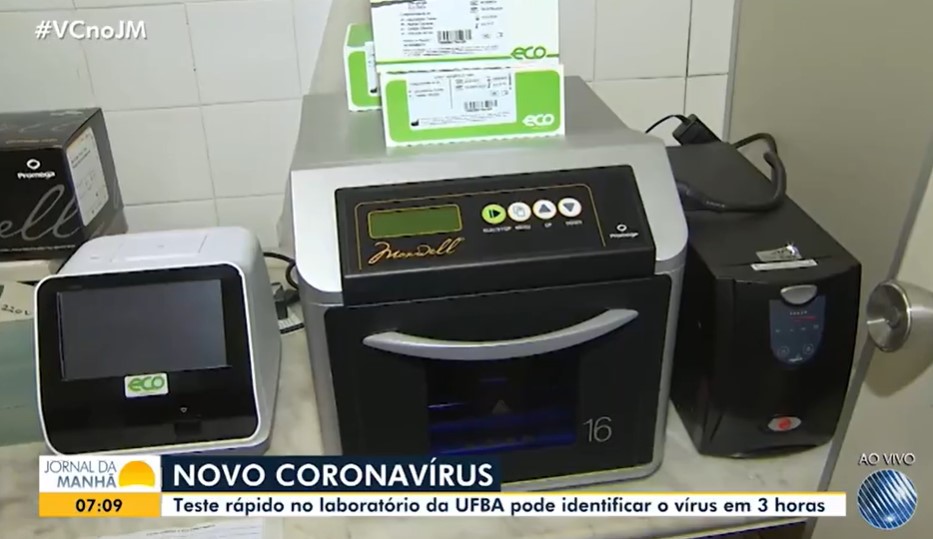
The Virology lab at the Universidade Federal da Bahia (UFBA), led by Dr. Gúbio Soares, has developed a fast and specific real-time PCR assay using GoTaq 1-Step RT-qPCR for detection of SARS-2-CoV (the coronavirus previously named 2019-nCoV), which causes the respiratory disease COVID-19. The Maxwell RSC instrument is used for automated extraction of RNA from oral-pharyngeal secretion collected by swab or bronchial wash prior to the assay. This coronavirus-specific assay can shorten the time to identify SARS-2-CoV from 48 hours to 3 hours (1), providing critical information to public health officials in a timely fashion.
“Promega has been providing all our reagents for standard and real-time PCR and also for nucleic acid extraction. It’s a company I can rely on the relationship; they are our partners and have provided excellent support both technically and financially. Promega is the base of all our assays.” Dr. Gúbio Soares.
Dr. Soares’ laboratory has experience developing assays to identify and detect emerging viral pathogens. Their laboratory first identified the Zika virus as the etiologic agent in the large outbreaks of acute exanthematous illness (AEI) in northeast Brazil in April 2015 (2). Zika was eventually declared a public health emergency of international importance by the World Health Organization in February 2016, after increased incidence of microcephaly was detected in the infants of women infected during pregnancy. Many of the lessons learned in the management of the Zika crisis are informing how scientists are addressing SARS-2-CoV. The Zika response was characterized by a collaborative spirit to share data, samples and resources among scientific labs across the globe.
Once the purview of virology researchers, the word “coronavirus” is now part of the vernacular in the mainstream media as reports of quarantined cruise ships (1) and makeshift hospitals (2) fill our online news feeds. While there is currently no approved anti-viral treatment for coronavirus infection (3), a team led by researchers from Vanderbilt University recently published work characterizing the anti-CoV activity of a compound, which they now plan to test against 2019-nCoV (4).
Developing New Therapeutics Against Coronaviruses
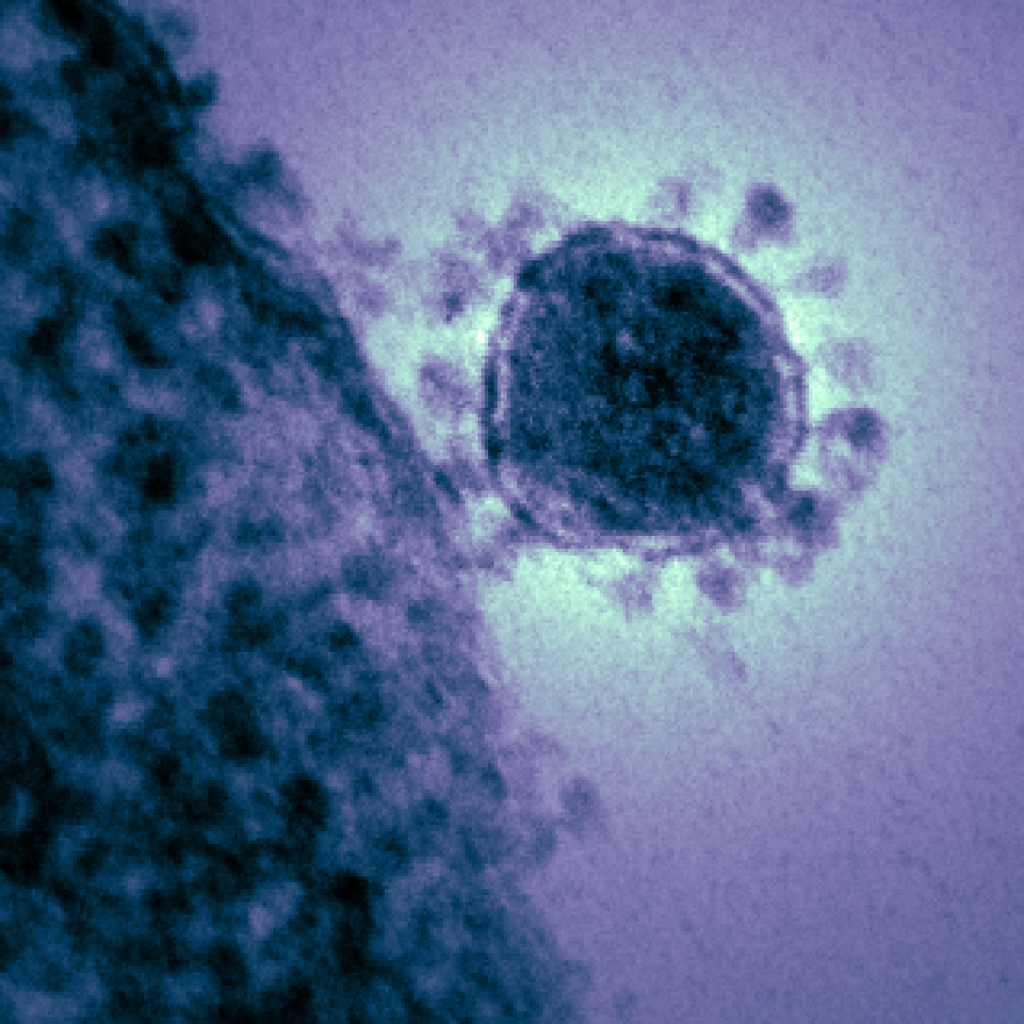
Coronaviruses (CoVs) are enveloped, single-stranded RNA viruses that exhibit cross-species transmission—the ability to spread quickly from one host (e.g., civet) to another (e.g., human). Scientists classify CoVs into four groups based on the nature of the spikes on their surface: alpha (α), beta (ß), gamma (γ) and delta (δ, 1). Only the alpha- and beta-CoVs can infect humans. Four coronaviruses commonly circulate within human populations: Human CoV 229E (HCoV229E), HCoVNL63, HCoVOC43, and HCoVHKU1. Three other CoVs have emerged as infectious agents, jumping from their normal animal host species to humans: SARS-CoV, MERS-CoV and most recently, 2019-nCoV (5).
Digitally colorized transmission electron micrograph reveals ultrastructural details of a single Middle East respiratory syndrome coronavirus (MERS-CoV) virion. Image credit: National Institute of Allergy and Infectious Diseases
The need for an effective, broad spectrum treatment against HCoVs, has been brought into sharp focus by the recent outbreak of the 2019 Novel Coronavirus (2019-nCoV; 6).
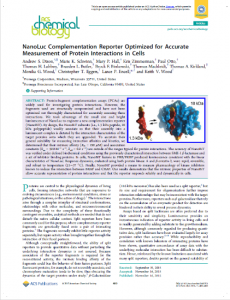
Promega is a chemistry and instrument supplier to scientists in diverse industries and research labs around the world. True. But we are more than just a supply company; we are scientists dedicated to supporting the work of other scientists. We want the science behind the technologies we develop to be both vetted and valued by the scientific community at large, which is one reason our scientists take the time to prepare and submit manuscripts to peer-reviewed journals. Here we call out some of our published research papers that were highly read in 2019. In the journal ACS Chemical Biology alone, five Promega-authored papers were among the top 10 most read papers in 2019. Here’s a quick review of the highlights from these ACS papers.
There are as many different
cancers as there are people with cancer. Unlike infectious diseases, which are
caused by pathogens that are foreign to our bodies (bacteria, viruses, parasites),
cancer cells arise from our body—our own cells gone rogue. Because cancer is a
dysfunction of a person’s normal cells, every cancer reflects the genetic
differences that mark us as individuals. Add to that environmental influences like
diet, tobacco use, the microbiome and even occupation, and the likelihood of
finding a “single” pharmaceutical cure for cancer becomes virtually impossible.
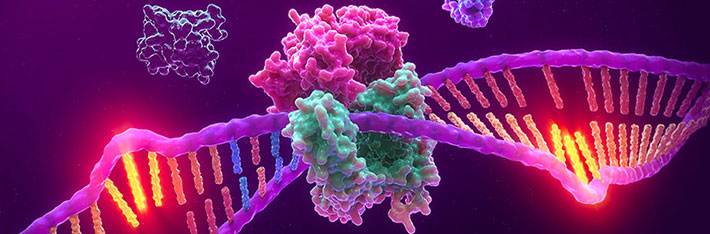
But, while looking for a single cure for all cancers may not be a fruitful activity, defining a best practice for understanding the genetic and protein biomarkers of individual tumors is proving worthwhile.
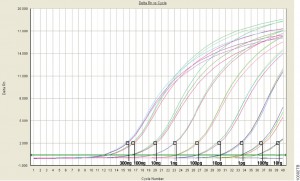
qPCR monitors amplification in real and allows you to measure starting material.
For those of us well versed in traditional, end-point PCR, wrapping our minds and methods around real-time or quantitative (qPCR) can be challenging. Here at Promega Connections, we are beginning a series of blogs designed to explain how qPCR works, things to consider when setting up and performing qPCR experiments, and what to look for in your results.
First, to get our bearings, let’s contrast traditional end-point PCR with qPCR.
End-Point PCR
qPCR
Visualizes by agarose gel the amplified product AFTER it is produced (the end-point)
Visualizes amplification as it happens (in real time) via a detection instrument
Does not precisely measure the starting DNA or RNA
Measures how many copies of DNA or RNA you started with (quantitative = qPCR)
Less expensive; no special instruments required
More expensive; requires special instrumentation
Basic molecular biology technique
Requires slightly more technical prowess
Quantitative PCR (qPCR) can be used to answer the same experimental questions as traditional end-point PCR: Detecting polymorphisms in DNA, amplifying low-abundance sequences for cloning or analysis, pathogen detection and others. However, the ability to observe amplification in real-time and detect the number of copies in the starting material can quantitate gene expression, measure DNA damage, and quantitate viral load in a sample and other applications.
Anytime that you are performing a reaction where something is copied over and over in an exponential fashion, contaminants are just as likely to be copied as the desired input. Quantitative PCR is subject to the same contamination concerns as end-point PCR, but those concerns are magnified because the technique is so sensitive. Avoiding contamination is paramount for generating qPCR results that you can trust.
Use aerosol-resistant pipette tips, and have designated pipettors and tips for pre- and post-amplification steps.
Wear gloves and change them frequently.
Have designated areas for pre- and post-amplification work.
Use reaction “master mixes” to minimize variability. A master mix is a ready-to-use mixture of your reaction components (excluding primers and sample) that you create for multiple reactions. Because you are pipetting larger volumes to make the reaction master mix, and all of your reactions are getting their components from the same master mix, you are reducing variability from reaction to reaction.
Dispense your primers into aliquots to minimize freeze-thaw cycles and the opportunity to introduce contaminants into a primer stock.
These are very basic tips that are common to both end-point and qPCR, but if you get these right, you are off to a good start no matter what your experimental goals are.
If you are looking for more information regarding qPCR, watch this supplementary video below.
Are you looking for more in-depth information about qPCR? Check out our qPCR and RT-qPCR Guide!
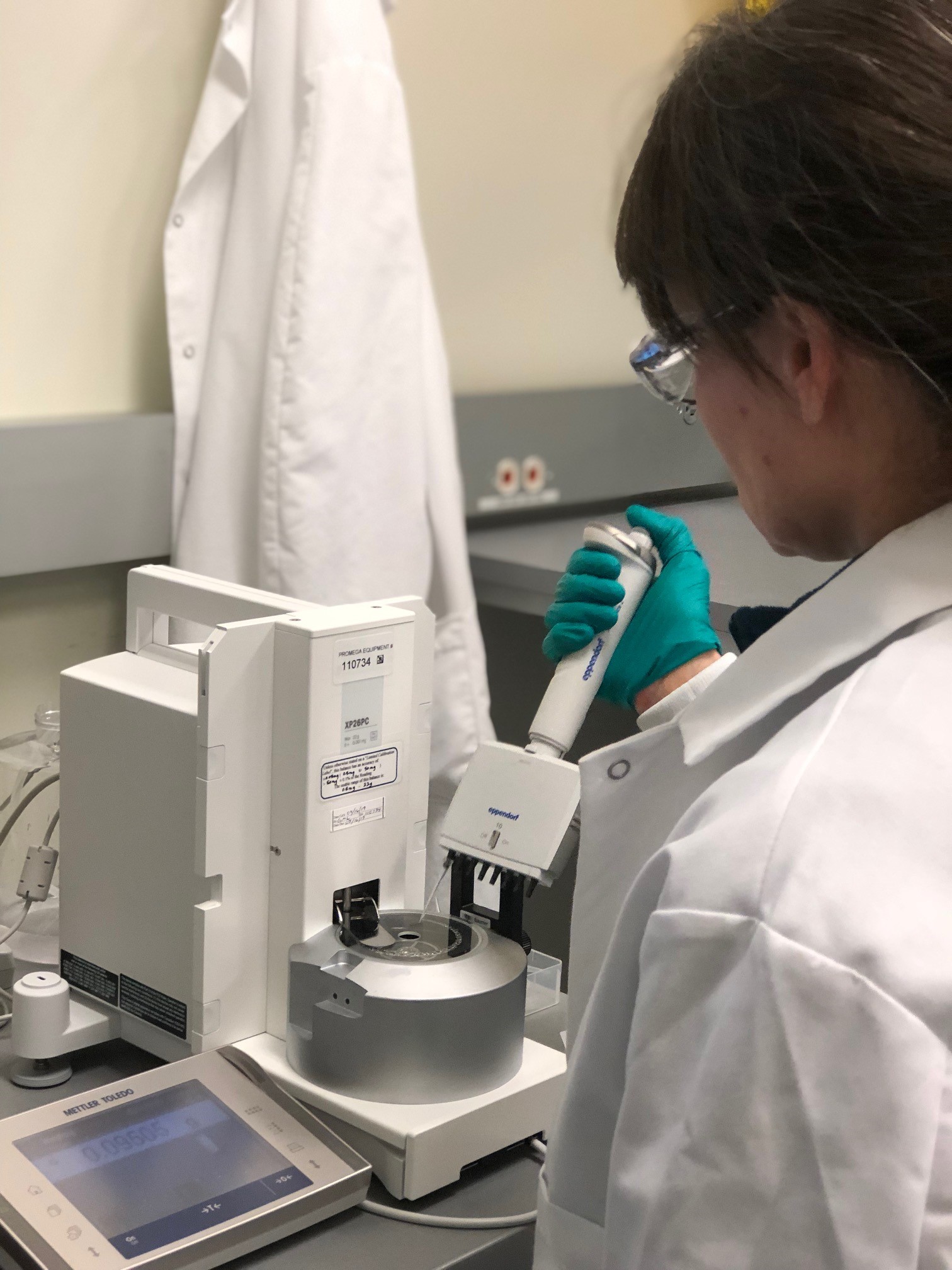
Scientific investigation is an iterative process, for which reproducibility is key. Reproducibility, in turn, requires accuracy and precision—particularly in measurement. The unsung superheroes of accuracy and precision in the research lab are the members of your local Metrology Department. According to Promega Senior Metrologist, Keela Sniadach, it’s good when the metrology department remains unsung and behind the scenes because that means everything is working properly.
Holy Pipettes, Scientists! We have a metrology department?! Wait…what’s metrology again?
Metrology (the scientific study of measurement) got its start in France, when it was proposed that an international length standard be based on a natural source. It was from this start that the International System of Units (SI), the modern metric system of measurement, was born.
Metrology even has its own day: May 20, which is the anniversary of the day that the International Bureau of Weights and Measures (BIPM) was created by the Meter Convention in Paris in 1875. The job of BIPM is to ensure worldwide standards of measurement.
For life scientists, metrology centers around making sure the equipment used everyday—from pipettes to heating blocks to centrifuges—is calibrated and measuring correctly.
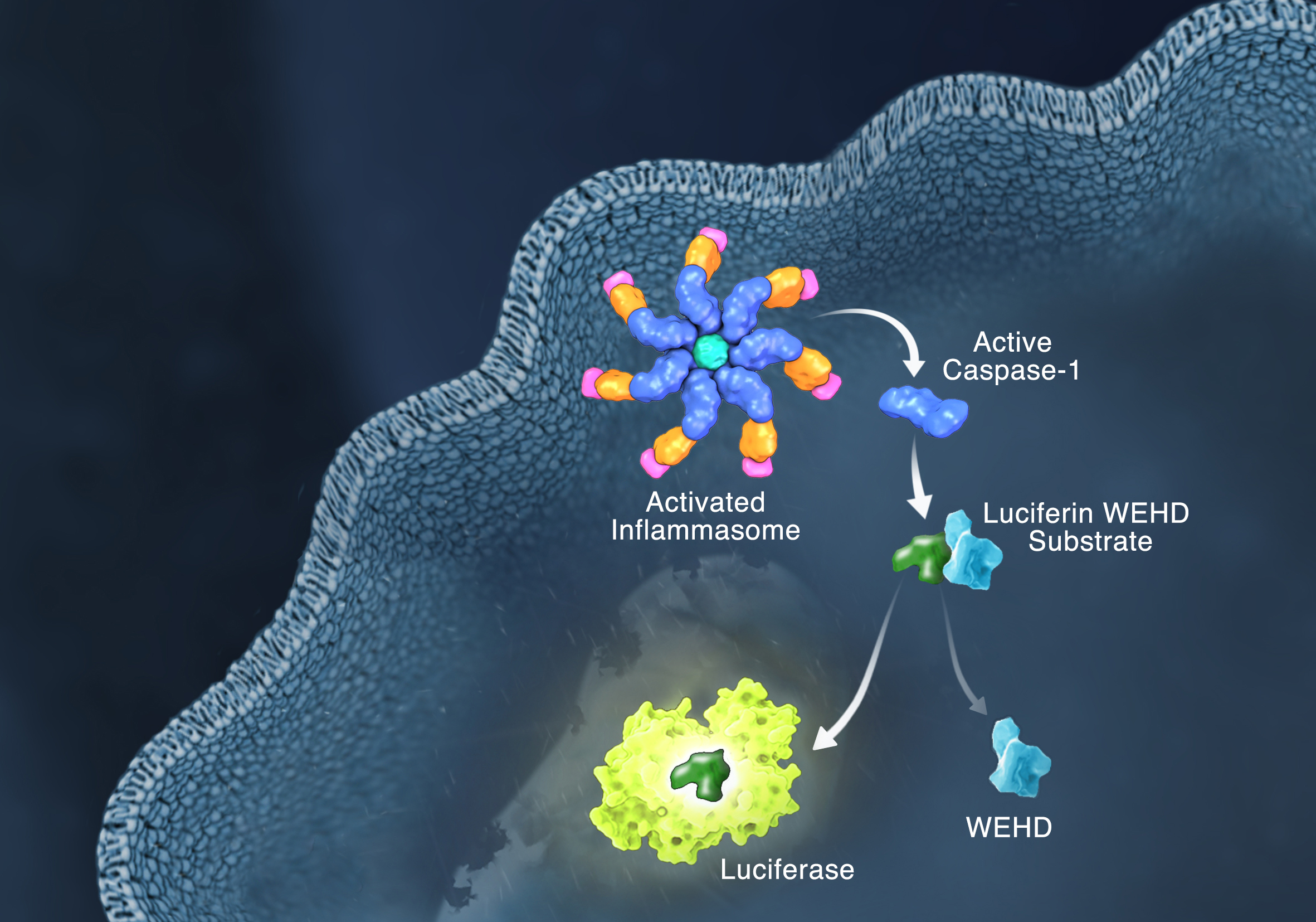
Innate immunity, the first line of immune defense, uses a system of host pattern recognition receptors (PRRs) to recognize signals of “danger” including invariant pathogen-associated molecular patterns (PAMPs) and damage-associated molecular patterns (DAMPs). These signals in turn recruit and assemble protein complexes called inflammasomes, resulting in the activation of caspase-1, the processing and release of the pro-inflammatory cytokines IL-1ß and IL-18, and the induction of programmed, lytic cell death known as pyroptosis.
Innate immunity and the activity of the inflammasome are critical for successful immunity against a myriad of environmental pathogens. However dysregulation of inflammasome activity is associated with many inflammatory diseases including type 2 diabetes, obesity-induced asthma, and insulin resistance. Recently, aberrant NLRP3 inflammasome activity also has been associated with age-related macular degeneration and Alzheimer disease. Understanding the players and regulators involved in inflammasome activity and regulation may provide additional therapeutic targets for these diseases.
Currently inflammasome activation is monitored using antibody-based techniques such as Western blotting or ELISA’s to detect processed caspase-1 or processed IL-1ß. These techniques are tedious and are only indirect measures of caspase activity. Further, gaining information about kinetics—relating inflammasome assembly, caspase-1 activation and pyroptosis in time—is very difficult using these methods. O’Brien et al. describe a one-step, high-throughput method that enables the direct measurement of caspase-1 activity. The assay can be multiplexed with a fluorescent viability assay, providing information about the timing of cell death and caspase-1 activity from the same sample. Continue reading “Activating the Inflammasome: A New Tool Brings New Understanding”
XWe use cookies and similar technologies to make our website work, run analytics, improve our website, and show you personalized content and advertising. Some of these cookies are essential for our website to work. For others, we won’t set them unless you accept them. To learn more about our approach to Privacy we invite you to Read More
By clicking “Accept All”, you consent to the use of ALL the cookies. However you may visit Cookie Settings to provide a controlled consent.
We use cookies and similar technologies to make our website work, run analytics, improve our website, and show you personalized content and advertising. Some of these cookies are essential for our website to work. For others, we won’t set them unless you accept them. To find out more about cookies and how to manage cookies, read our Cookie Policy.
If you are located in the EEA, the United Kingdom, or Switzerland, you can change your settings at any time by clicking Manage Cookie Consent in the footer of our website.
Necessary cookies are absolutely essential for the website to function properly. These cookies ensure basic functionalities and security features of the website, anonymously.
Cookie
Duration
Description
cookielawinfo-checbox-analytics
11 months
This cookie is set by GDPR Cookie Consent plugin. The cookie is used to store the user consent for the cookies in the category "Analytics".
cookielawinfo-checbox-functional
11 months
The cookie is set by GDPR cookie consent to record the user consent for the cookies in the category "Functional".
cookielawinfo-checbox-others
11 months
This cookie is set by GDPR Cookie Consent plugin. The cookie is used to store the user consent for the cookies in the category "Other.
cookielawinfo-checkbox-advertisement
1 year
The cookie is set by GDPR cookie consent to record the user consent for the cookies in the category "Advertisement".
cookielawinfo-checkbox-necessary
11 months
This cookie is set by GDPR Cookie Consent plugin. The cookies is used to store the user consent for the cookies in the category "Necessary".
cookielawinfo-checkbox-performance
11 months
This cookie is set by GDPR Cookie Consent plugin. The cookie is used to store the user consent for the cookies in the category "Performance".
gdpr_status
6 months 2 days
This cookie is set by the provider Media.net. This cookie is used to check the status whether the user has accepted the cookie consent box. It also helps in not showing the cookie consent box upon re-entry to the website.
lang
This cookie is used to store the language preferences of a user to serve up content in that stored language the next time user visit the website.
viewed_cookie_policy
11 months
The cookie is set by the GDPR Cookie Consent plugin and is used to store whether or not user has consented to the use of cookies. It does not store any personal data.
Analytical cookies are used to understand how visitors interact with the website. These cookies help provide information on metrics the number of visitors, bounce rate, traffic source, etc.
Cookie
Duration
Description
SC_ANALYTICS_GLOBAL_COOKIE
10 years
This cookie is associated with Sitecore content and personalization. This cookie is used to identify the repeat visit from a single user. Sitecore will send a persistent session cookie to the web client.
vuid
2 years
This domain of this cookie is owned by Vimeo. This cookie is used by vimeo to collect tracking information. It sets a unique ID to embed videos to the website.
WMF-Last-Access
1 month 18 hours 24 minutes
This cookie is used to calculate unique devices accessing the website.
_ga
2 years
This cookie is installed by Google Analytics. The cookie is used to calculate visitor, session, campaign data and keep track of site usage for the site's analytics report. The cookies store information anonymously and assign a randomly generated number to identify unique visitors.
_gid
1 day
This cookie is installed by Google Analytics. The cookie is used to store information of how visitors use a website and helps in creating an analytics report of how the website is doing. The data collected including the number visitors, the source where they have come from, and the pages visted in an anonymous form.
Advertisement cookies are used to provide visitors with relevant ads and marketing campaigns. These cookies track visitors across websites and collect information to provide customized ads.
Cookie
Duration
Description
IDE
1 year 24 days
Used by Google DoubleClick and stores information about how the user uses the website and any other advertisement before visiting the website. This is used to present users with ads that are relevant to them according to the user profile.
test_cookie
15 minutes
This cookie is set by doubleclick.net. The purpose of the cookie is to determine if the user's browser supports cookies.
VISITOR_INFO1_LIVE
5 months 27 days
This cookie is set by Youtube. Used to track the information of the embedded YouTube videos on a website.
Performance cookies are used to understand and analyze the key performance indexes of the website which helps in delivering a better user experience for the visitors.
Cookie
Duration
Description
YSC
session
This cookies is set by Youtube and is used to track the views of embedded videos.
_gat_UA-62336821-1
1 minute
This is a pattern type cookie set by Google Analytics, where the pattern element on the name contains the unique identity number of the account or website it relates to. It appears to be a variation of the _gat cookie which is used to limit the amount of data recorded by Google on high traffic volume websites.